
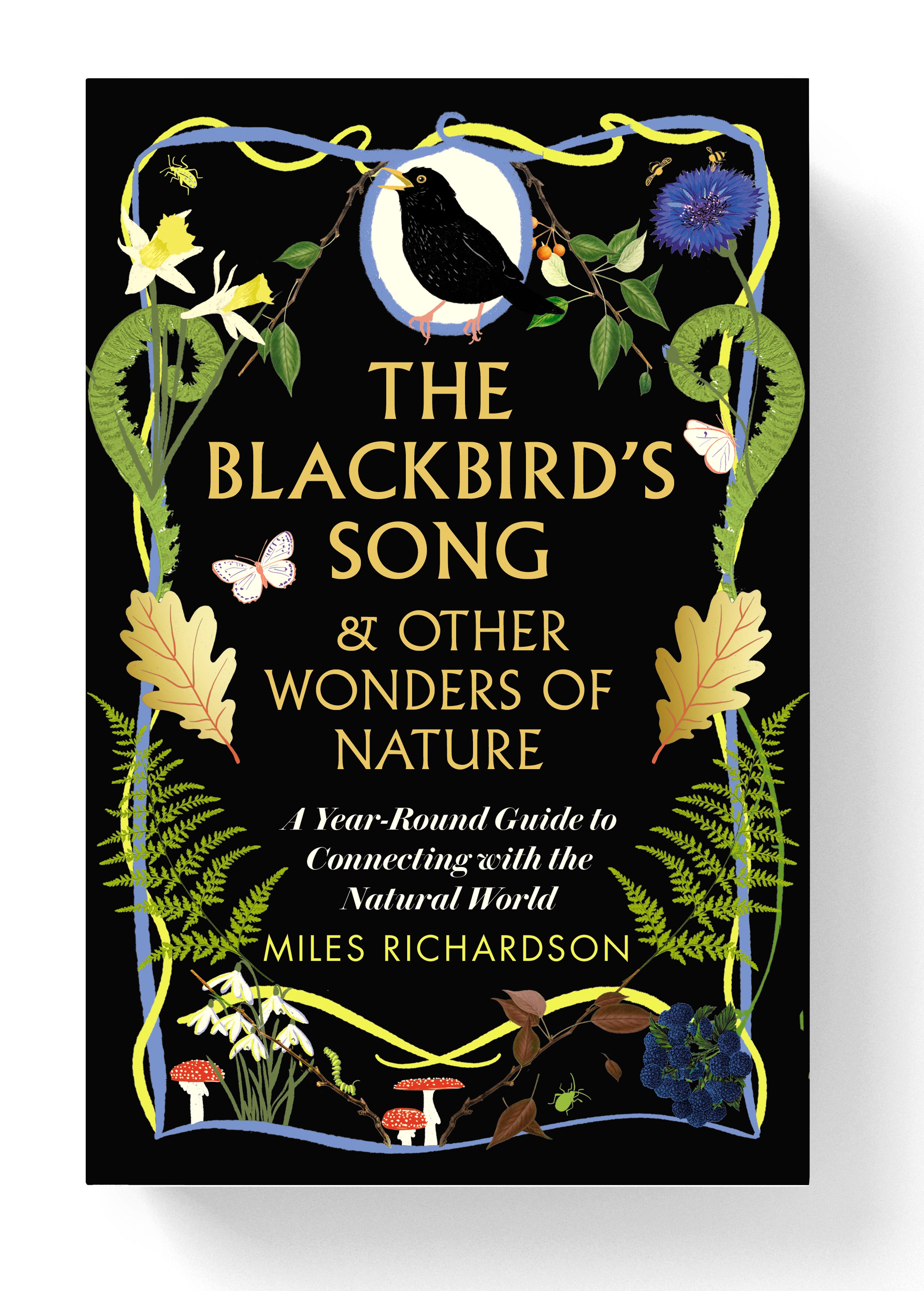
Walking through the entrance of an ancient hill fort recently returned my thoughts to time. Nature connection is often seen as about being ‘in the moment’. Reviews conclude mindfulness is the essential step to connection. Time and reflecting on the past or future isn’t a common theme, which is odd as reflection can explain nature connection better than mindful attention. This is a topic I explore in my next book, The Blackbird’s Song, a month-by-month guide to connecting with nature, which is published 24th October.
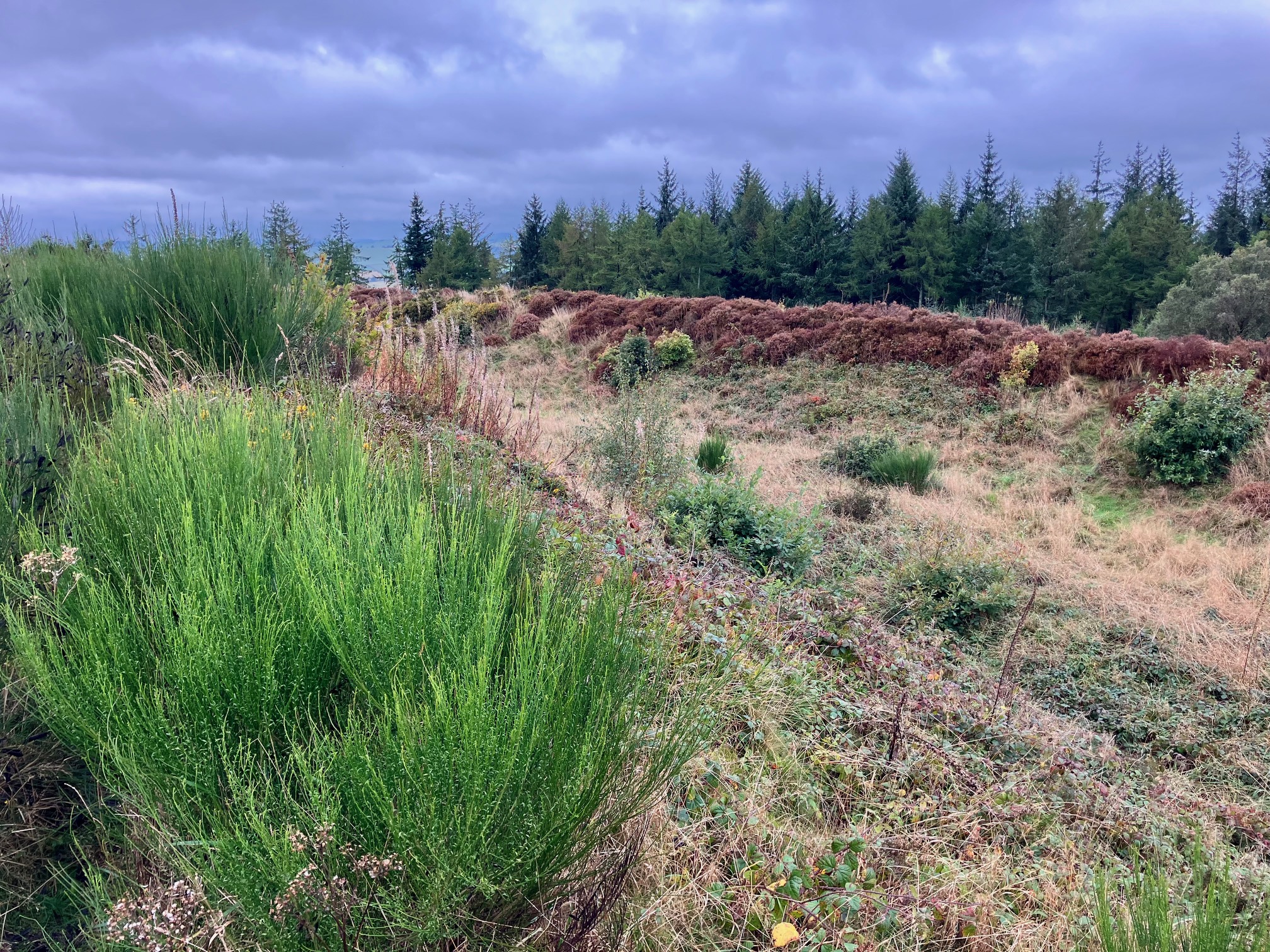
Bury Ditches Hill Fort
The hill fort dates from 500BC, I expect some of their descendants still live locally. An unbroken thread of life, from parent to child across over a hundred generations. The same thread runs through the local wildlife, but across many more generations, with far more failures as populations dwindled. This means that over recent centuries, many of our forebears have not been good ancestors for nature. Intentionally and unwittingly reducing and polluting habitats. The need for a new relationship with the rest of nature is now readily apparent.
That new relationship is a major challenge, the options need to extend beyond noticing nature in the moment. This ‘nature connection space’ is something I explore in The Blackbird’s Song using the diagram below. The mayfly represents the fleetingness of the present and mindful attention which can be the foundation for a deeper state of reflection and wisdom as represented by an owl. Reflecting on our connection with nature can involve thinking about the future, inspiring new ideas and understanding the importance of being a good ancestor. This represented by the beaver now being successfully reintroduced to the UK. Equally reflection can take us back into the past, our thoughts exploring the environment like the wolf that used to roam the UK.

The Nature Connection Space
Looking back and a sentimental desire for a former time is called nostalgia, which can be mocked somewhat in modern society. Yet, nostalgia is an emotion found across cultures that makes life more meaningful and provides a bridge between the past and present. Like nature connection, nostalgia is a positive emotion and helps us feel part of something beyond the here and now.
Looking further back in time to our ancestors brings continuity, connects us with place and shapes our personal identity. That link to the past can be used to encourage us to look forward and think about becoming good ancestors ourselves, by restoring the natural world and our relationship with it.
On the theme of time, unlike the distant past, our days are driven by ‘mechanical time’. This detaches us from natural rhythms and changes how we value time and how it flows between past, present and future. Time in nature feels longer and the clocks and schedules of urban living put us under pressure. This matters, as the perceived availability of time affects our behaviours.
Reconnecting with nature requires us to embrace a relational view that includes past, present, and future. By reflecting on our ancestral ties and the natural rhythms that once guided their lives, we can foster a deeper, more meaningful connection with the natural world. This journey inspires us to become better stewards of the natural world, ensuring that we leave a positive legacy for future generations.
This reflection on nature connection and time is a small part of The Blackbird’s Song. Month by month, the book explains the benefits nature can bring and suggests how to bring nature into everyday living in tangible and practical ways, creating a closer relationship with the natural world.

 Finding Nature