Nature for All: Nature is All

It’s been a very busy few months as awareness of nature connectedness keeps on growing. Last week the new #NatureForAll “Connecting People with Nature” publication was launched at the UN Biodiversity Conference in Egypt. The report passed through 41 reviewers from 22 countries on 6 continents and I am pleased to be a co-author. You can find the full report and recommendations for decision makers on the Nature for All website.

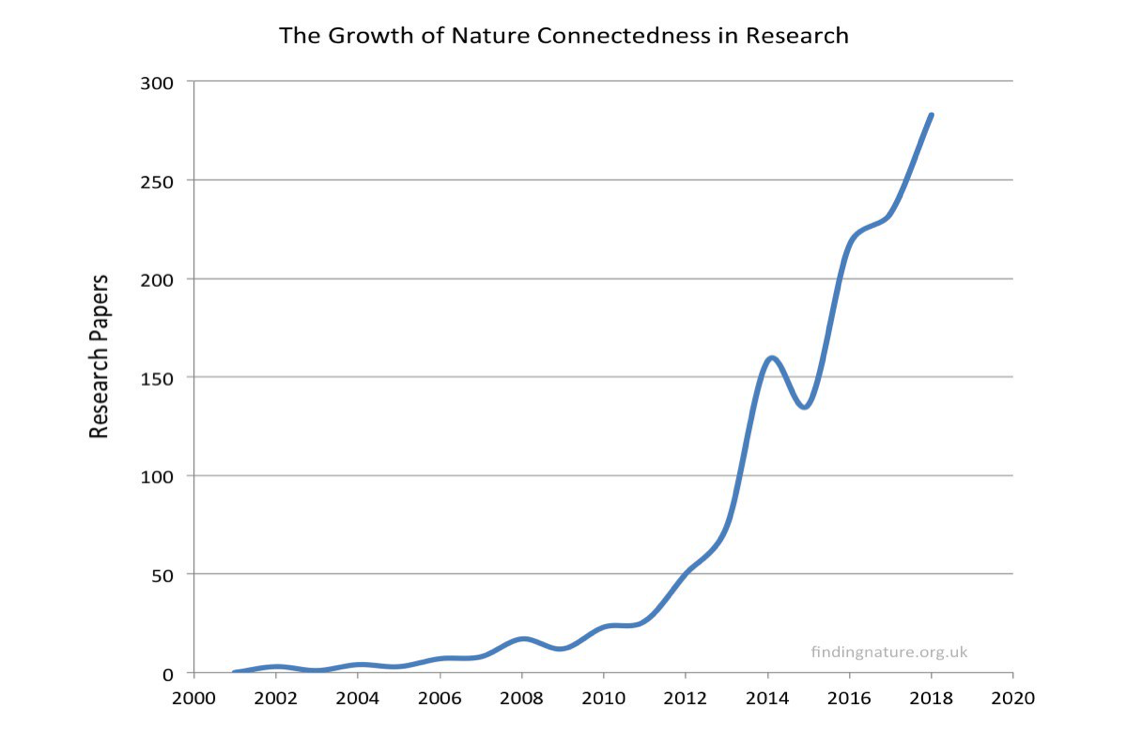
So what else has been happening? A lot! I recently counted the number of research papers mentioning ‘nature connectedness’, the chart below shows the rapid growth from zero in 2001. Of course, there’s a long history of people’s relationship with nature, but nature connectedness provides a specific construct to focus on. It has benefits for human wellbeing, nature’s wellbeing, we can measure it and change it.

I’ve submitted two papers recently that will hopefully add to the chart above. One is on well-being benefits and how a smartphone based urban nature connectedness intervention brought about clinically significant improvements in mental health. The second introduces findings from a new populations measure of nature connectedness, the relationship to conservation behaviours and reveals the changes in our connection with nature over the lifespan, including undertones of teenage dips when they get their kicks elsewhere. I’ll blog about both in more detail when they are published.

The benefits of nature and a close relationship to it should come as no surprise as we evolved to exist in, and make sense of, the rest of the natural world. A recent blog of mine covered evidence for this embedness and how we are interconnected within nature, a symbiotic relationship found throughout wider ecology. Another interesting paper continues this exploration showing how people are ‘walking ecosystems’ – the body as ‘a host plus billions of microbial organisms working symbiotically to form a functioning ecological unit’.

In 2010 Stevens presented an ecopsychological of health that contrasted to existing models which view people as separate from the environment, affected by specific events. Given the health benefits of nature, I’ve agued that this embeddedness within the wider natural world provides a new paradigm for well-being and a need for a revised model of health. Away from the ‘biomedical’ approach based on deviation from ‘normal’, beyond the ‘biopsychosocial’ model which includes biological, psychological and social factors (Engel 1977), to an embedded model based on ‘biopsychophysis’, reflecting how health depends on the unity of biology, psychology and nature.

Such a model would heighten the awareness of the depth of our relationship with nature and our need for nature. A realisation that a healthy planet brings the ultimate wellbeing benefit. A realization urgently needed as the evidence of the ill-health of the planet mounts. Recently, the WWF Living Planet Report showed that 60% of animals have been lost since 1970. These shocking findings drew little attention from the mainstream media, but those that did cover it clearly indicated the scale of the issue – “The world must thrash out a new deal for nature in the next two years or humanity could be the first species to document our own extinction, warns the United Nation’s biodiversity chief.”

There is a huge disparity in awareness and coverage of climate change and biodiversity loss. A quick Google news search in the summer revealed 50 million news articles on climate-change and in comparison just 1 million news articles that mention biodiversity. Yet, although inter-related there are important differences – “We are rapidly running out of time. Only by addressing both ecosystems and climate do we stand a chance of safeguarding a stable planet for humanity’s future on Earth,” Prof Johan Rockström, Potsdam Institute for Climate Impact Research in Germany.

Recently, we’ve started a new PhD project (funded by the University of Derby) specifically into pro-nature conservation behaviours, in contrast to mainly environmental behaviours that broadly relate to reducing carbon footprint. Of course, we’ll be looking at the role of nature connectedness in encouraging the pro-nature cconservation behaviours required for a healthy planet, and therefore healthy people.


Posted in Uncategorized | 2 Comments

Mapping Good Things in the City to Improve Well-being

Last summer I wrote about the launch of Shmapped, our smartphone app to study how green and built spaces affect our wellbeing. Shmapped is part of the £1.3 million Natural Environment Research Council funded project IWUN: Improving Wellbeing through Urban Nature. The Nature Connectedness Research Group at the University of Derby has completed analysis of a chunk of the data after 10 months of data collection – there’s a lot of data! I’ll publish blogs about the results in the future, but signs are good with noting the good things in nature leading to significant improvements in well-being.

Shmapped, and IWUN, is based in Sheffield (Sheffield Mapped), however we’ve now launched the Derby version, Good Things Derby on Android and Apple iOS. If you’re outside Derby, you can still use it, but it won’t be aware of your local green spaces.

Good Things Derby records how people interact with their local green and built spaces and prompts them to map and notice the good things they see. We’re asking people who live and work in and around Derby to use the app for 7 days – there’s a prize draw for those who do. The app reminds users to notice and map the good things, letting people record, photograph and rate places.  The smartphone is also used to track activity, allowing us, with the help of the Data Science Research Centre at the University of Derby, to visualise some really rich and useful data about how people use and rate the city – as shown in the images below from Sheffield.

Some places people mapped and pictured in Sheffield

A ‘Heat map’ of some of the good, and not so good, places in Sheffield

To be as engaging as possible users interact with the app through a ‘conversation’ with a ‘chatbot’, your companion for the week.  For those people in Derby the app tracks the user’s time and use of green spaces using about 1000 ‘geofences’, reminding them to notice the good things in nature when in green spaces in, and up to 10km away, from the city. Being a research study, some users of the app are prompted to notice good things in the built environment.

A chat with the chatbot

As well as an intervention to improve wellbeing, Shmapped is showing us that the app provides a promising tool for monitoring green space usage – but there’s a huge amount of data to analyse. So please take a look, especially if you’re in Derby.

Using Shmapped to notice and map the good things in Sheffield


Posted in Uncategorized | 3 Comments

Why does a connection with (the rest of) nature improve well-being?

Nature is good for our well-being. It is increasingly accepted that having nature nearby is important for human well-being. There are now Government policies on connecting people with nature for well-being, such as the United Kingdom’s 25 Year Environment Plan. This plan includes a ‘Natural Environment for Health and Well-being’ programme to promote nature for well-being. As well as simply having nature nearby, we now know that the relationship between people and the rest of nature, our nature connectedness, is important. Recent evidence suggests that connection with nature is more important for mental well-being than simple exposure to nature. However, we don’t understand how a connection with nature leads to improved mental well-being. Research based on the successful Wildlife Trust’s 30 Days Wild campaign has just been published that starts to tell that story. You can read the full article in the journal Frontiers. This blog provides a summary, looking how a connection to nature brings well-being through emotions and beauty.

Before we think about emotion and beauty there is a need to know how the benefits of nature are currently explained. The main models used to explain the well-being benefits of exposure to nature are based upon restoration. Attention Restoration Theory and Stress Recovery Theory help explain how nature restores us. However, nature is also good for us when we’re not feeling run-down. There is also research that suggests the benefits of nature connectedness are not explained by restoration based theories. So, let’s look at two other potential reasons.

Firstly, emotions. Being connected with nature is about feeling close to the wider natural world. A relationship that helps us feel good. So emotions could well help explain how nature connectedness is good for well-being. Emotions aren’t just feelings, they are linked to the function of our bodies. Our nervous system, heart and brain. As different emotions come and go, they shape and direct what we do. Regulating emotions is a very important and almost constant function of human life. It helps us respond to and deal with everyday demands in an appropriate way. Research shows that our ability to keep our emotions regulated is important for well-being.

In 2016 we studied Japanese research into forest bathing. The results showed that the benefits of being in the forest could be explained in the context of a ‘3 Circle’ model of emotional regulation. Three dimensions of our emotion regulation system are represented by 3 circles. Described below by a falcon for drive. An ash tree for calm. And a wild boar warning for threat. Each day we can experience threat (the boar), drive (the falcon) and contentment (the tree). Each circle brings different feelings such as anxiety (the boar), joy (the falcon), and calm (the tree). Each circle also brings different motivations such as avoid (the boar), pursue (the falcon) and rest (the tree).

For wellbeing we need a balance between the three circles. Feeling good and functioning well comes through balancing threat, drive and contentment. Sometimes theses emotions become unbalanced. Perhaps if we’re constantly driven and pressured to do well at work or school, with little time for calm, rest and connection with friends. This can reduce our positive emotions and our threat response can become overactive. We can become anxious when simply receiving an email for example. For these reasons, we proposed that helping regulate emotions could be a way that nature connectedness brings well-being.

Three dimensions of our emotion regulation system

The second way that nature connectedness could help bring well-being is based on the beauty of nature. Beauty is also a fundamental part of our lives. Our cultural history contains repeated references to nature’s beauty and beauty has been a topic of human thought for millennia. Western philosophy considers beauty as a fundamental aspect of ‘human being’. Recent research has suggested that noticing and engaging with nature’s beauty is key to the well-being benefits of nature connectedness. People who have a deeper response when viewing beauty in nature have better well-being. It has been proposed that noticing natural beauty brings about well-being by promoting a stronger connection with nature.

Thinking of our evolution, our senses evolved simply to make sense of the natural world. Beauty comes from easy sensory experiences that flow in. As we’ve evolved and lived within nature for millions of years the sights and sounds of the natural world flow in with ease. The beauty of nature brings pleasure without being useful in itself. As a simple sensory experience beauty is fundamental to our relationship with the wider natural world. The beauty of nature, like emotions, is at the core of nature connectedness. Research shows that appreciating nature’s beauty is key to developing greater connectedness to nature. Finally, research into physiological responses to noticing nature’s beauty match those observed during forest bathing and explained by the three-circle model. Given this evidence, we proposed that noticing nature’s beauty provides a second way for nature connectedness to bring well-being.

So we set out to explore the relationship between beauty, emotion regulation, nature connectedness and well-being. We did this using participants in The Wildlife Trusts successful 30 Days Wild campaign. For successive years we’ve found that taking part in 30 Days Wild leads to sustained benefits to well-being. For the third year we included measures of how strongly people respond to nature’s beauty. In a second study we measured people’s ability to regulate their emotions, how easy or difficult they found it to regain control after becoming upset for example. These two studies allowed us answer two questions. One, does noticing nature’s beauty aid the relationship between nature connectedness and well-being? Two, is the relationship between nature connectedness and well-being linked to emotional regulation?

By looking at people’s responses before and after taking part in 30 Days Wild we confirmed for a third time, that including nature in every day life for a month leads to sustained improvements in nature connectedness, well-being and conservation behaviours. People taking part also noticed nature’s beauty more deeply too. A closer look at the numbers showed that noticing beauty helped promote nature connectedness to bring well-being. This confirmed that noticing nature’s beauty is part of the way a connection with nature brings well-being. The three-circle model suggests that appreciating the beauty of nature can calm our more driven emotions, bringing contentment and the emotional balance needed for well-being.

Noticing nature’s beauty is key for the well-being benefits of nature connectedness.

We then looked at the relationship between nature connectedness, emotional regulation and well-being. This showed that those who found emotional regulation more difficult had a lower connection with nature, and lower happiness. Difficulty in emotional regulation was not associated with noticing nature’s beauty. This suggests that nature connectedness and noticing nature’s beauty, although similar, aren’t one and the same. Some further analysis revealed that emotional regulation helped link nature connectedness and happiness. This is the first evidence linking emotion regulation to the well-being benefits of nature connectedness. The results support our proposal that improving emotional regulation is a way nature connectedness brings about well-being.

Emotion regulation is key for the well-being benefits of nature connectedness.

So both noticing nature’s beauty and emotional regulation play a part in the relationship between nature connection and well-being. Yet, noticing nature’s beauty and emotional regulation weren’t related. This suggests that noticing nature’s beauty and emotional regulation are part of the relationship between nature connectedness and happiness in different ways. So there are two ways nature connectedness can bring well-being. Through aiding emotional regulation, but also through being tuned into nature’s beauty.

The research shows that well-being in nature is not just about visiting nature when feeling run-down. To access the wider benefits of nature connectedness, there is a need to feel close to nature and be tuned into its beauty. We evolved to make sense of nature, so let the sights and sounds of nature’s beauty flow in through your eyes and ears.


Posted in Uncategorized | Leave a comment

How strong does a child’s connection to nature need to be for pro-nature behaviours?

People’s connection with the rest of nature matters not just because it helps us feel good and function well – it matters because of the links to nature’s well-being. In my previous blog I wrote that the risks posed by biodiversity loss are on the same scale as those of climate change – 80% of mammals have been lost since the dawn of human civilisation and now humans and livestock make up 96% of mammals on Earth (Bar-On et al. 2018), yet 68% of the UK population is unaware or unconcerned about biodiversity loss (Defra, 2016). Clearly there is a need for pro-nature conservation behaviours in addition to pro-environmental behaviours. In some on-going work with a range of colleagues it has been found that nature connectedness is a strong predictor of pro-conservation and environment behaviours, but what level of nature connectedness is required? Our recent paper with RSPB Science published in the Journal for Nature Conservation sets out to identify a meaningful threshold in children – it’s available open access until 18th Sept 2018.

A widely held view is that children are now deprived of contact with nature and are disconnected and there is a focus on re-connecting children because we rely on the current generation of children for future conservation action. However, more clarity is required about how to define a connected child and how this relates to conservation behaviours. This helps inform activities and evaluation of projects in order to demonstrate effective use of limited conservation resources. So, the research had two aims. Aim 1) to determine an objective scale of connection to nature, as measured by the Connection to Nature Index. Aim 2) to examine the relationship between our level of connection and self-reported conservation behaviours among children.

Aim 1 involved detailed analysis of the CNI scale, firstly investigating the distribution of all possible CNI scores for the 4845 combinations of responses to the 16 items. For the second step, the relationship between overall CNI scores and frequency of positive responses (Agree /Strongly Agree) to each of the 16 items was examined. The following criteria were proposed: low connection was when negative/neutral answers were predominant; mild connection to nature would be demonstrated by a child giving positive responses more frequently (at least nine positive responses), and strong connection was defined as when a child responded “Strongly Agree” most frequently (at least nine times). Studying the frequency of positive answers in any individual CNI response showed that CNI scores of up to 4.00 can be obtained by answering positively to only 50% of the questions. A CNI score of 4.50 required at least eight responses at “Strongly agree”. Ultimately, results of the analysis suggested that that low connection results in a CNI score of 1 to around 4.06, mild connection is around 4.06, rising to strong connection at around 4.56.

For Aim 2) we set out to test this. We used real data from 775 children aged 10-11, in 15 schools in the UK. The children were asked to respond to the CNI and to 13 questions about their pro-conservation and environmental behaviours. Probability data on children’s behaviours was used to classify the likelihood of positive action and Receiver Operating Characteristic (ROC) curves and Area Under the Curve (AUC) were calculated in order to determine CNI thresholds that might discriminate between children more and less likely to act positively for conservation. The sample of children had a median CNI score of 4.06 and mean of 4.00 – therefore the majority of children were positioned around low and mild connection. Encouragingly, the ROC analysis showed that the CNI had good ability to differentiate between those more likely to act positively for conservation or not. In sum, analysis around the suggested threshold of 4.56 correctly classified the majority with low probabilities as more poorly connected and, therefore, provides a good target for CNI scores in children.

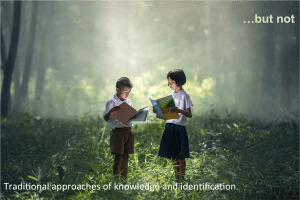
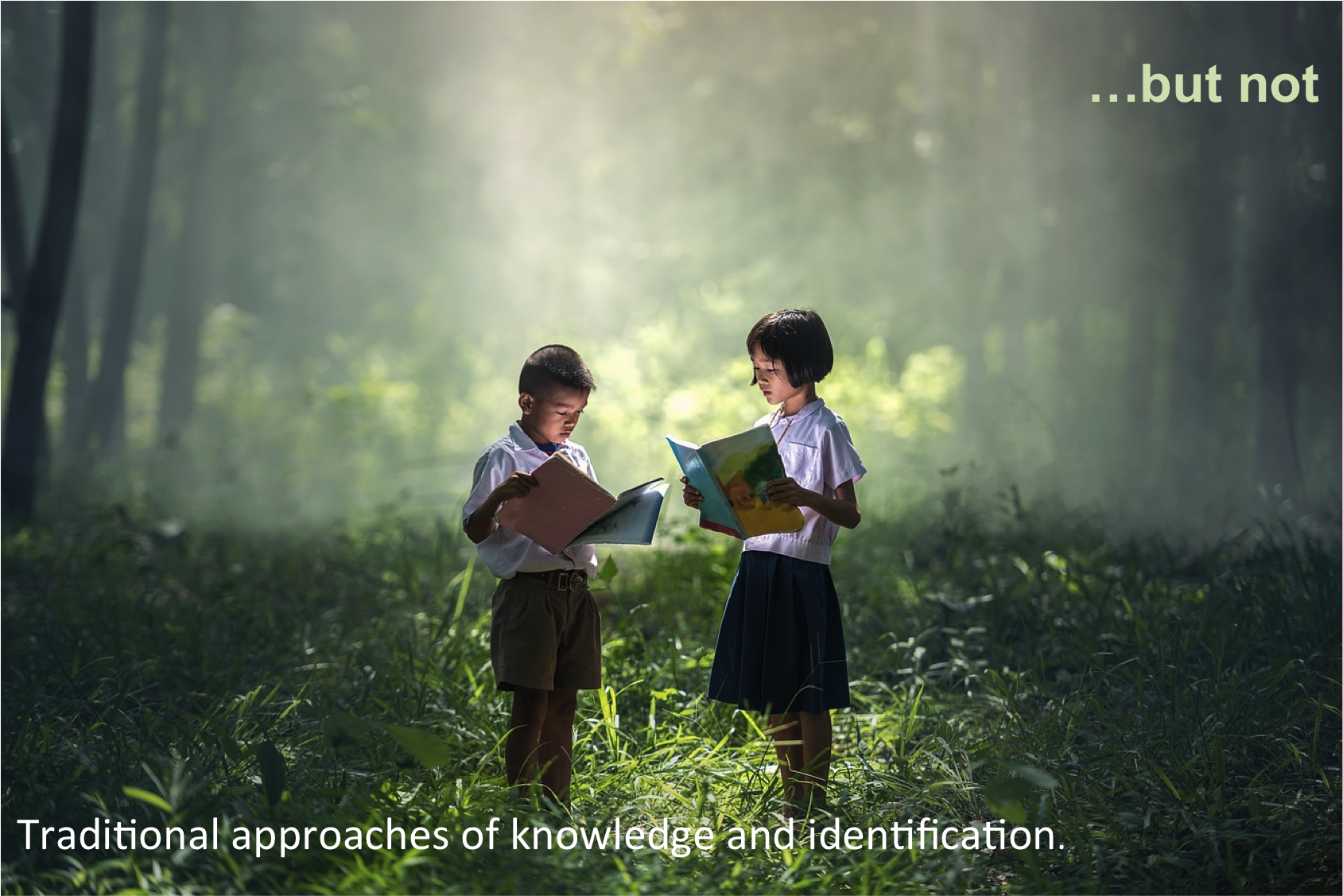
So, the real data supports current perceptions of a general disconnection from nature within young people with 46% of children having a low connection (scores below 4.06) and only 18% a strong connection (over 4.56). In comparison, children who were members of a wildlife group or present at nature reserves are known to have a mean CNI score of 4.41 indicating mild to strong connection (Bragg et al., 2013). Encouragingly, the children displayed the expected positive relationship between CNI score and the probability of carrying out pro-conservation behaviours supporting the idea that activities that connect children to nature are critical for conservation success. Of course those connection activities need to be evidence-based to work (e.g. Richardson, Cormack, et al., 2016; Richardson & Sheffield, 2017), moving beyond traditional activities focussed on knowledge and identification of nature to develop a more meaningful relationship (Lumber, Richardson, & Sheffield, 2017).  This research work has implications for programmes that seek to facilitate pro-conservation and environment behaviours, it demonstrates the importance of fostering a connection with nature through an evidence-based approach. The CNI scale, along with thresholds, will also be useful in the assessment of population baselines and evaluating the progress programmes make.


Posted in Uncategorized | Leave a comment

Wilding: Creating Habitats for Nature Connectedness

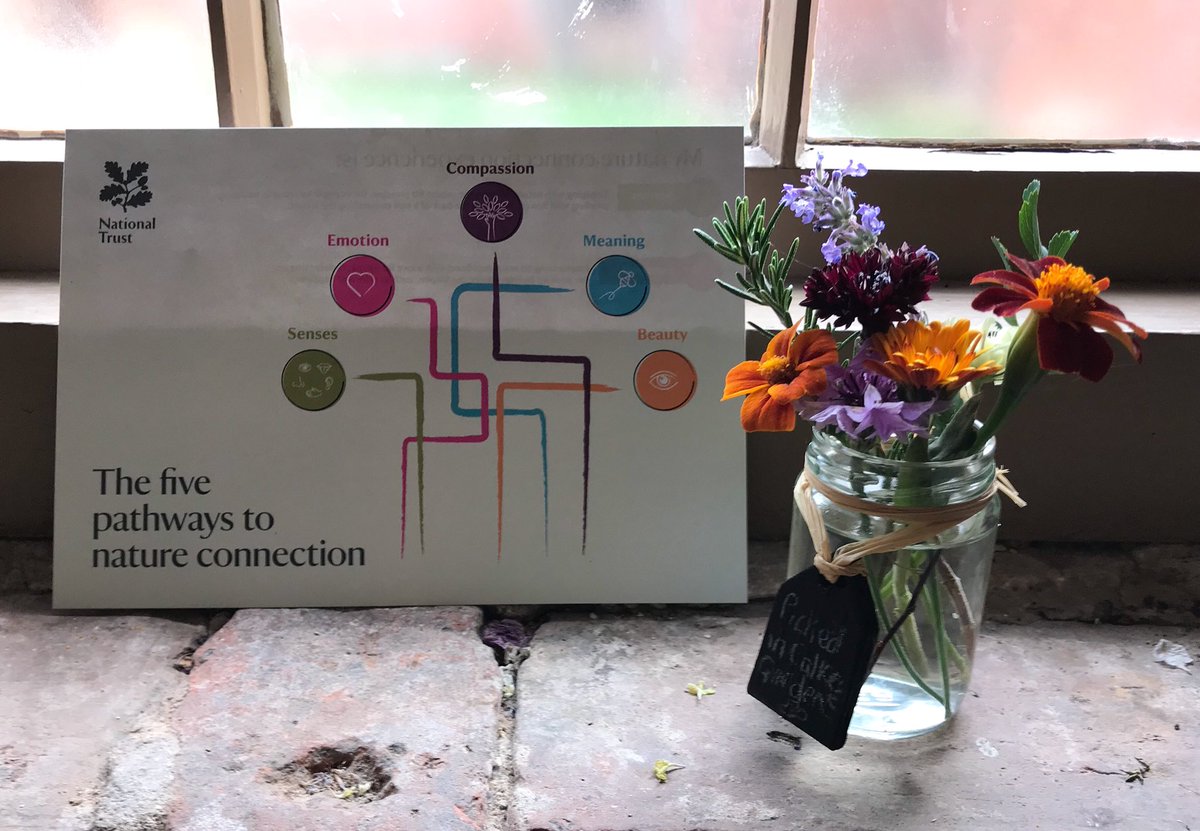
It’s coming home to me that interest in creating a new human relationship with the rest of the natural world is growing. It’s been three months since my previous blog post, a sign that there’s a great deal happening, rather than having little to say. At a recent National Trust event where I was talking about the pathways to nature connectedness, I was struck by an analogy made by Tony Berry (Visitor Experience Director). He spoke of creating the right habitats to allow a diversity of nature experience to flourish. Coincidentally my recent talk at the opening of Nation Connections 2018 also mentioned parallels between ecology and human experience. Firstly, let’s consider the three keynote talks that preceded mine.

Creating Habitats to return Nature to our Minds

In the opening talk Gregor Henderson (National Lead, Wellbeing and Mental Health, Public Health England) provided the foundations for the day with a powerful message about the scale, cost and impact of mental health issues. Worldwide services are largely unprepared and insufficient  – or simply absent (WHO, 2017).  It was very encouraging though to hear recognition that nature connection provides opportunities for good mental health.

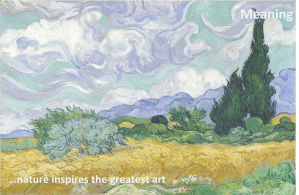
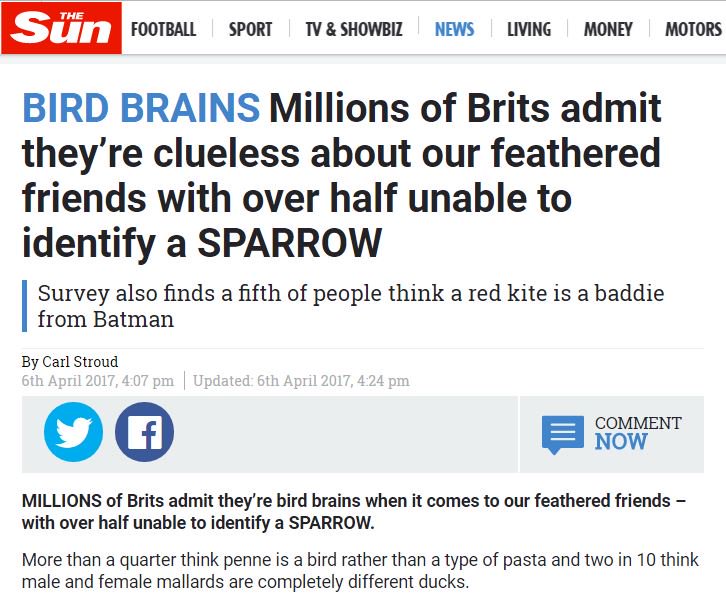
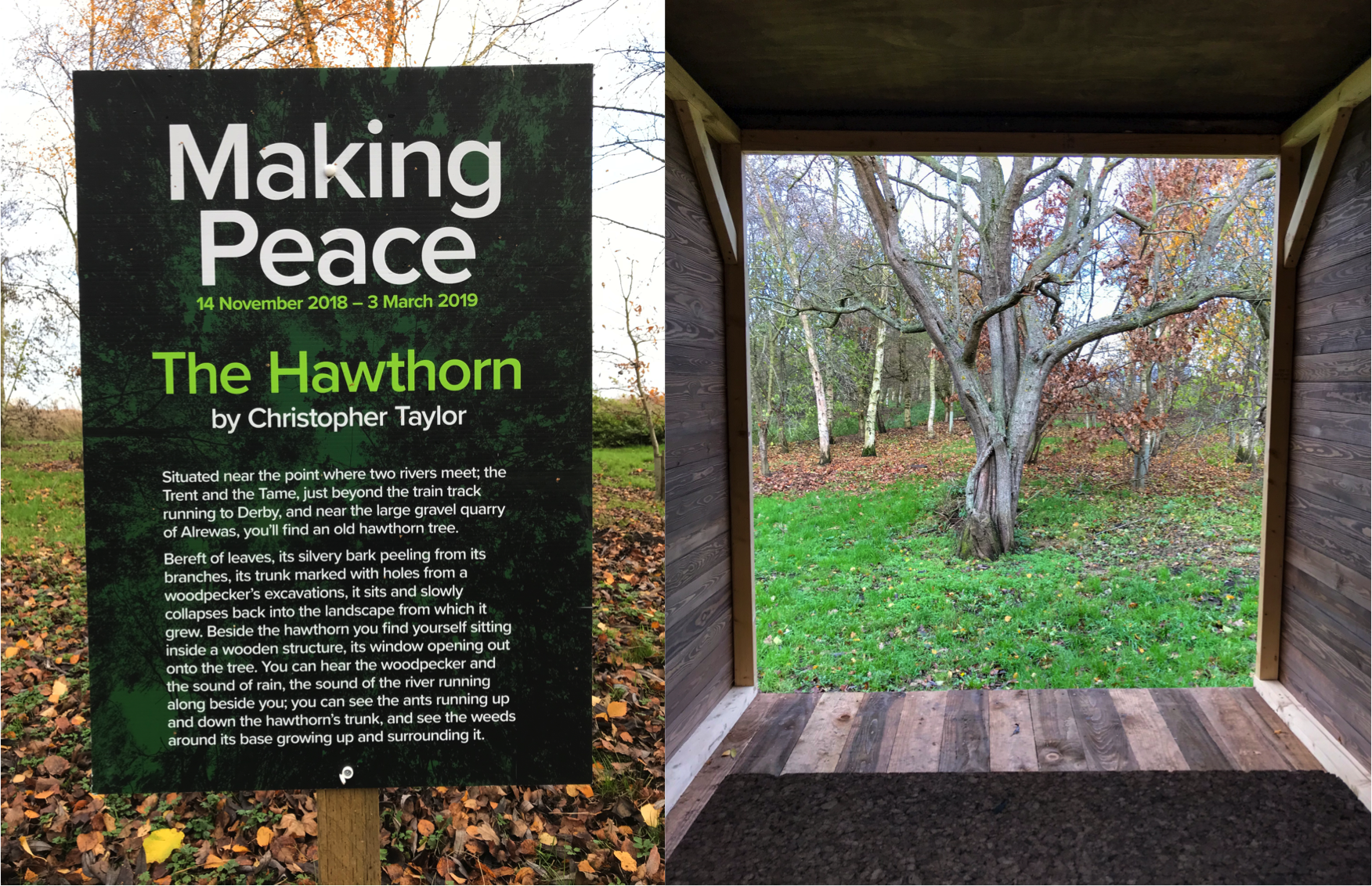
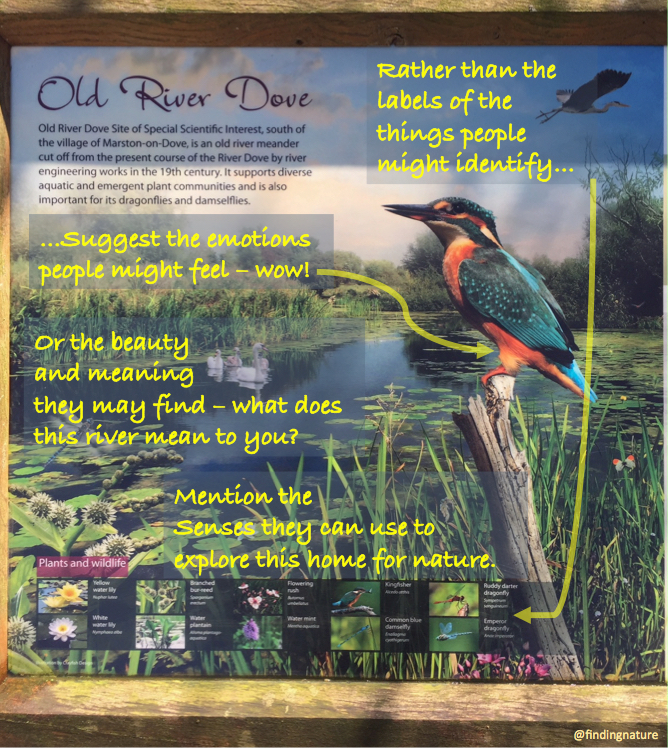
Professor Cindy McPherson Frantz then explained how nature connectedness and our need for social connections derive from the same powerful psychological force. Raising the questions of how can we design interaction with nature to meet our inherent need to have a sense of belonging with others – we return to habitats for connection again. The third keynote came from Howard Davies (Chief Executive – National Association for Areas of Outstanding Natural Beauty) who caught the need to move beyond traditional approaches and develop a new relationship with nature, calling for us to “map what things mean, not what they are” – mapping the pathways to nature connectedness offered in our habitats, rather than the traditional offer of labels for identification.

It was clear that momentum is building in terms of the evidence base showing the value of nature as crucial to well-being and I closed the opening session by bringing together the talks on well-being, connectedness and beauty. It’s a story of the embededness of people in their wider habitat. How simply viewing the beauty of roses impacts our physiology, activating our sympathetic and para-sympathetic nervous system. The same response found when we’re within a woodland. Even simply touching oak impacts our physiology in the same way. There is clearly a powerful and innate relationship at work. We are deeply embedded and interconnected within nature, a symbiotic relationship found throughout the natural world.

Touching oak

Within this context it’s no surprise that realising this connectedness to nature should be good for our well-being, it’s who we are. And research suggests that the relationship between connectedness and well-being is mediated by engaging with nature’s beauty. There’s mounting evidence that a connectedness to nature is good for two types of well-being, feeling good and functioning well. A systematic review of this evidence conducted at the University of Derby was presented at the conference. As was some very recent evidence from phase 2 of the Nature Connection Index work with Natural England, Essex and Derby (supported by The Wildlife Trusts, RSPB and the National Trust). This showed that nature connectedness is predictor of mental well-being and pro-environmental behaviour, independently and to a greater extent, than the traditional metric of visits to nature. Reaffirming that nature connectedness is different, and perhaps more powerful than, simple exposure to nature.

Nature Connectedness is Good for Well-being

I’ve recently been reading Wilding: The Return of Nature to a British Farm, and in my talk I noted how recent evidence from Derby suggests that nature connectedness brings well-being through improved emotional regulation – a dynamic interconnectedness that requires a balance of emotional states for mental wellbeing. Similarly healthy ecological systems are dynamic and balanced. Clearly, we are of, and therefore well, when within nature – both physically and mentally.

Of course, nature connectedness is not just about our own well-being, it matters because of the links to nature’s well-being. In addition to the crisis in mental wellbeing and the overwhelmingly negative impact of a changing climate (WHO, 2017), “Earth is experiencing a huge episode of population declines which will have negative cascading consequences on services vital to sustaining civilization” (Ceballos et al 2017). A recent UN Intergovernmental Science-Policy Platform on Biodiversity & Ecosystem Services report (IPBES, 2018) shows that the risks posed by biodiversity loss are on the same scale as those of climate change. Despite these three global challenges there is a huge disparity in awareness and coverage. A quick Google news search reveals 65 million news articles on mental health, 50 million news articles on climate-change and in comparison just 1 million news articles that mention biodiversity – yet this is the crisis that’s arguably most advanced. For example, recent data on life on the planet shows the shocking decline of wildlife since the dawn of human civilisation (Bar-On et al. 2018). 80% of mammals have been lost and now humans and livestock make up 96% of mammals on Earth. There are similar stories of decline for marine mammals and plants.

Wildlife at the dawn of human civilisation…

…and mammals on Earth today.

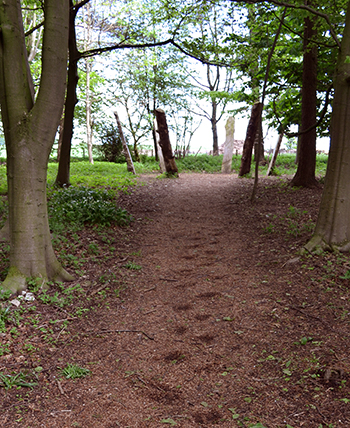
Given the interconnected relationship we’ve seen between humans and (the rest of) nature it seems no surprise that with nature, and nature’s beauty, in decline, our well-being is in decline. There is hope though; as well as being good for our own well-being, nature connectedness explains a huge chunk of our pro-nature behaviours. Recognising and improving our relationship with the wider natural world can make a real difference. It’s clear to me that the relationship we see between people, oak, roses and woods is a beautiful thing. Nature connectedness being good for both our own and nature’s well-being is a beautiful thing. However, noticing the beauty of nature can seem far removed from the complex reality of life for many people, those just looking to manage their emotions, never mind use them to appreciate the beauty of a local tree. So we need to find new ways to connect people (with often complex lives) with nature, new habitats of connection that make it easy.


Posted in Uncategorized | 1 Comment