Can the Joy of Birds improve nature connection and wellbeing?

A blog with Dr Carly Butler.

We’re always on the lookout for new and simple ways to connect people with nature, for their own, but also nature’s wellbeing. As the days get colder and shorter many of us will be stocking up bird feeders in our gardens and outside spaces. Our generous provision of bird food is often motivated by a sense of compassion and care, helping birds survive as temperatures drop and natural food sources become harder to come by. For many, feeding birds is also a way of connecting with wildlife and experiencing the pleasure that comes from watching our garden visitors.

The joy of birds

Last winter, a Masters student I was supervising ran a research study to see if a simple twist in the way we watch birds could enhance wellbeing and nature connection. The twist builds on an idea I had of focussing on the emotions birds bring. Thanks to promotion by the Self Isolating Bird Club and assistance from the Alpkit Foundation, 156 people took part in the study and they were randomly allocated to one of two groups. The first group (the ‘Count’ group) were asked to watch the birds in their garden for thirty minutes, identifying each species and counting how many individual birds of each species visited (similar to the RSPBs Big Garden Birdwatch). The other group (the ‘Joy’ group) also watched and identified birds in their garden, but instead of counting them they were asked to rate their feelings of joy on seeing each species. All participants filled out a survey before and after the activity, which measured their feelings of wellbeing, anxiety and connection to nature.

We’ll share the full results when the research is published, however the headline results showed that participants in both groups had improved wellbeing, decreased anxiety, and stronger connection to nature, but the decrease in anxiety was greatest for those in the ‘joy’ group whose anxiety levels dropped by over 20%. This suggests that paying attention to feelings of joy can enhance the psychological benefits gained from watching birds.

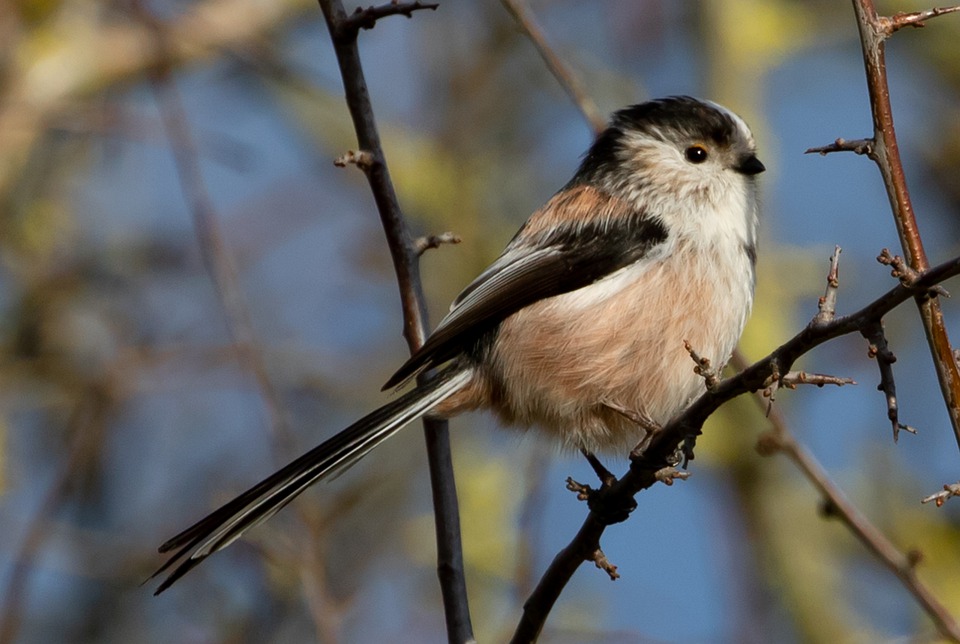
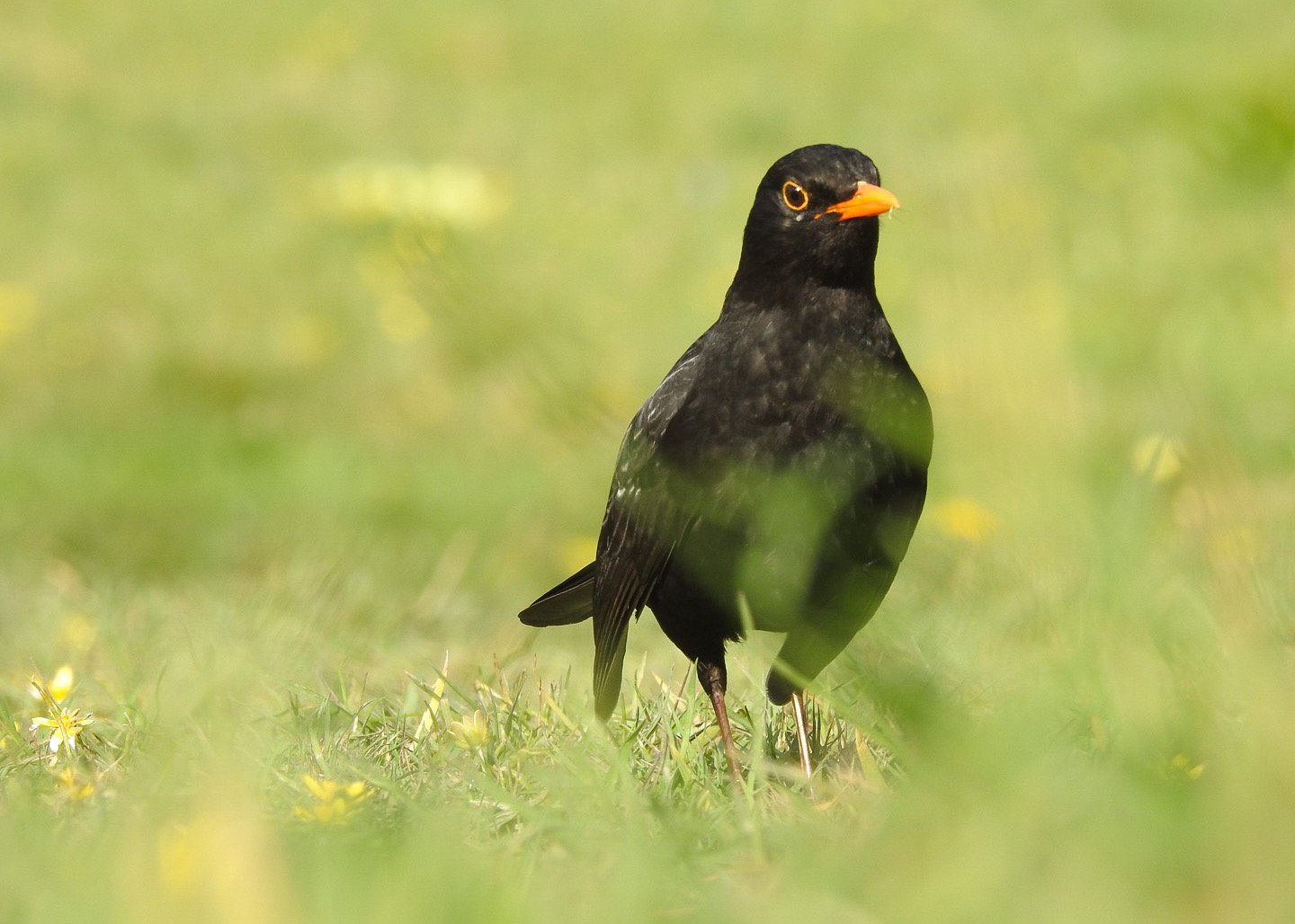
After the project we also took the opportunity to explore which species brought the most joy. Long-tailed Tits came out on top, followed by Robins and Goldfinches. The lowest joy ratings were given to Woodpigeons, followed by Magpies and Carrion Crows. The smaller birds brought 50% more joy than the larger birds. Indeed, we expected woodpigeons and corvids to get the lowest ratings as they are disliked by many. Interestingly, while some birds brought more joy than others, that didn’t appear to impact on the benefits – it seems it is the act of noticing emotional responses itself which leads to the improvements in  anxiety.

Our most joyful bird?

Given the involvement of members of the Self-Isolating Bird Club, our sample was not representative of the general population as participants were already keen garden bird watchers and we found they had very high levels of nature connectedness to begin with. While this in itself tells us something about the beneficial impact of feeding birds, we’ve found in other interventions that impacts are greater amongst those with lower levels of nature connectedness. As such, we could expect much greater increases if people who weren’t already connected to their local birds took part in the activity. It’s be great to repeat this work with more people, and more birds!

Meanwhile the research offers evidence for the psychological benefits of watching birds, and suggests that taking part in citizen science projects like the Big Garden Birdwatch can bring about enhanced wellbeing and connection to nature. However, greater improvements in anxiety are gained by paying attention to the positive emotions experienced while watching birds.

This is a simple activity that anyone can do at home, or any outside space where birds are present: take the time to watch birds and notice how you feel when you see them. A structured activity involving joy-watching birds could be used in green prescription schemes, adopted by school and community groups, or used alongside ‘bird therapy’ stations in workplaces. As recent research has suggested bird feeding could have a negative impact on some bird species, care would be needed in designing such schemes. However, as bird feeding increases the nature connection that brings pro-nature behaviours, there’s a need to consider the wider picture.

Our research has shown consistently that noticing nature is a critical first step towards connecting to nature for improved wellbeing. Noticing our emotional responses to nature takes us further towards building a new relationship with it. We know that those who feel close to nature are more likely to take action to help it, so appreciating the joy of birds could lead to more planting for birds and insects, better feeder hygiene, and more eco-aware behaviour.  So, next time you fill up your feeders, stop, watch, and – most importantly – enjoy the birds who come to feed.

Posted in Uncategorized | 1 Comment

How actively noticing nature (not just time in nature) helps promote nature connectedness

The warming climate and biodiversity loss show the human-nature relationship is failing. Nature connectedness as a measurable psychological construct has provided a focal point for understanding and improving that relationship. Recent research suggests that higher levels of nature connectedness benefit both people and nature through promoting pro-nature conservation actions, pro-environmental behaviours, and greater mental wellbeing. Nature connectedness is therefore emerging as a key target for sustainable and healthy living. Our latest research, from work with the National Trust, uses data from a large national survey to explore how nature contact and noticing nature predict nature connectedness. The paper has just been published in the journal Ecopsychology where the final version can be accessed. The accepted version is available here.

A great deal of valuable research shows the link between nature contact and wellbeing. However, three recent large-scale studies have shown that wellbeing is better explained by nature connectedness than by nature contact alone. What matters more is what people do with their time in nature and the strength of their relationship with nature.

Taking a moment to notice nature matters

This matters because research and policy around ‘connection with nature’ often conflates nature contact and nature connectedness. To obtain the maximum benefits from nature engagement there is a need to distinguish between spending time in nature and actively engaging in activities associated with nature connectedness. This latest research also supplements our pathways to nature connectedness research by directly comparing the role of active noticing nature activities with passive nature contact in explaining nature connectedness.

To notice nature goes beyond passive, mainly unconscious, receipt of sensory information and incorporates attention, awareness and intention. We can walk in nature without paying attention to it. We can hear a bird without listening to that bird. Noticing nature is the basis of ‘noticing the good things in nature’ that has been shown to increase levels of nature connectedness, wellbeing and pro-nature behaviours. Noticing nature activates the pathways to nature connectedness, mainly the pathway of sensory engagement – active engagement turns hearing into listening, for example. Noticing is the first step towards activation of the other pathways – appreciating beauty, making meaning, feeling emotions or compassion.

Building on our previous noticing nature work and motivated by the difference between contact with nature (e.g. to spend time in nature) and more active sensory engagement (e.g. to watch, listen and notice), this latest research explores how these two broad factors explain nature connectedness. In a national survey of 2094 adults, we asked questions about their frequency of contact with nature (e.g. walks and park visits) and noticing nature activities such as watching wildlife, smelling flowers and listening to birdsong. We then looked at how these factors related to nature connectedness.

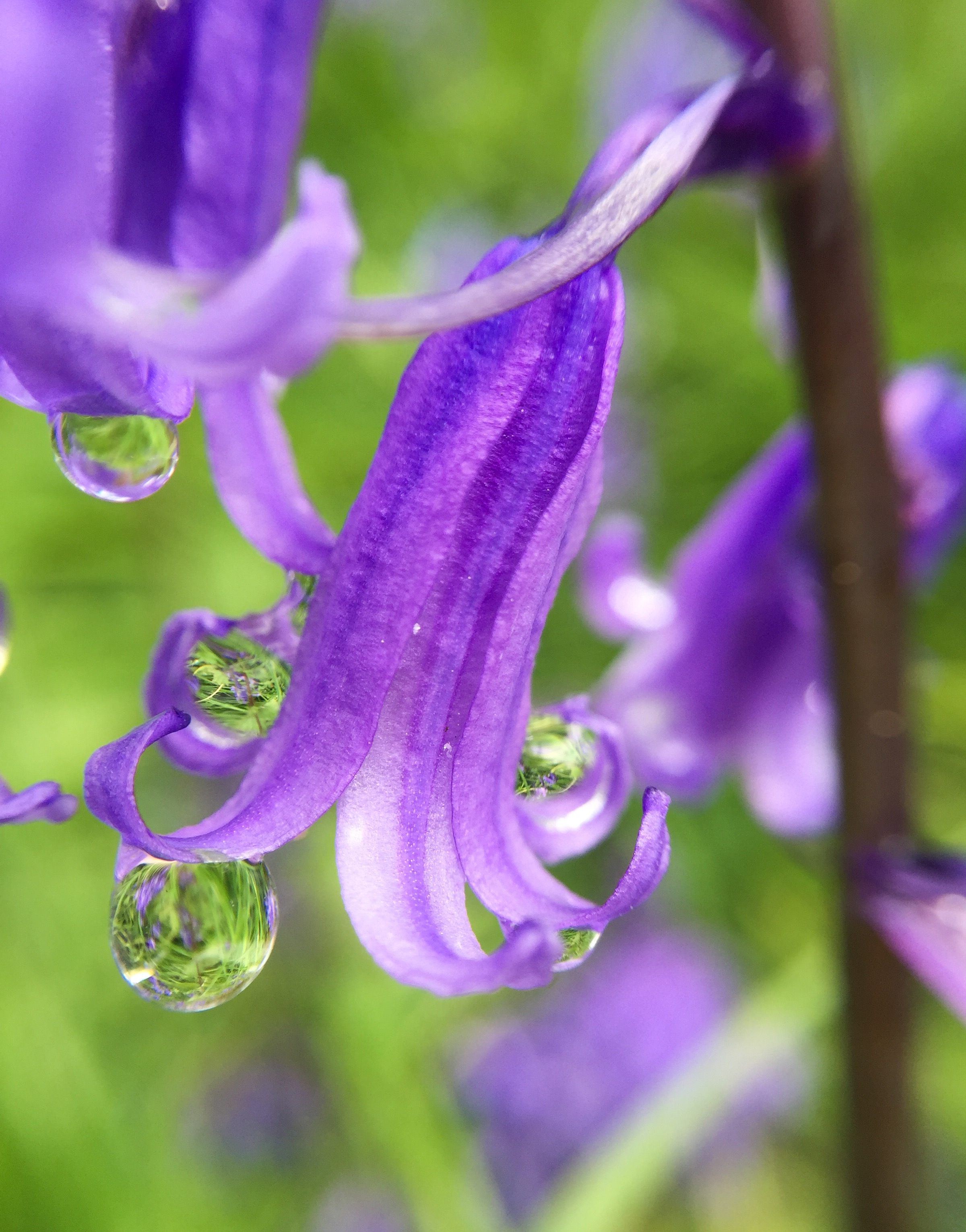
Engaging with a flower

The analysis showed that noticing nature explained levels of nature connectedness to a greater degree than contact with nature. Commonality analysis showed that when considered in isolation, the ‘noticing nature’ activities accounted for around 50% more of the variance in nature connectedness than time in nature. Clearly, noticing nature involves some contact with nature and noticing and contact worked in combination, accounting for about 63% of the nature connectedness levels. Watching, listening to and photographing wildlife were significant predictors of nature connectedness, whereas studying nature, looking at scenery through windows, observing the skies and collecting shells were not.

A great deal of policy work focusses on access to nature and increasing visits – encouraging people to spend time in nature is a good thing. However, it’s only a first step, for maximum benefits to human and nature’s wellbeing and to truly connect people with nature, there is a clear need to encourage people to spend time with nature. There is a need to consider what access and visits are for, what types of activity might be offered or encouraged and the design of green spaces close to where people live.

In our study, noticing nature explained levels of nature connectedness over and above simply spending time in nature. Governments, designers and planners, policy makers, health and social care services, educators and so on can support active engagement with nature. Nature can be brought to the places people live. For example, increasing opportunities to listen to birdsong can be achieved by creating suitable habitat for breeding songbirds. Similarly, noticing bees and butterflies could be facilitated by managing grassland for these insect groups. Complementing habitat management, urban design and event programming can have a significant role in drawing attention to these features to increase levels of noticing and engagement. All to create moments with nature to support sustainable and healthy living.


Richardson, M., Hamlin, I., Butler, C.W., Thomas, R. and Hunt. A. (2021). Actively Noticing Nature (Not Just Time in Nature) Helps Promote Nature Connectedness. Ecopsychology ahead of print. https://doi.org/10.1089/eco.2021.0023

Posted in Uncategorized | 16 Comments

Three Good Things in Nature: A Walking Intervention to Improve Nature Connection and Mental Health

Our first nature connectedness intervention was Three Good Things in Nature, and we continue to test its effectiveness in various situations. Our latest research paper has been published in the Journal of Public Mental Health (accepted version available here). This study looked at the benefits of noticing Three Good Things in Nature during a nature based or urban walk for people living with depression and/or anxiety.

Noting the Good Things in Nature

Previously, we’ve found noticing the good things in nature brings sustained and clinically significant improvements in mental health through increasing nature connectedness. However, little is known about the effect of nature connectedness on clinically relevant states including depression and anxiety. This latest research builds on previous work and provides further insight by showing the Three Good Things in Nature approach brings sustained benefits in a clinically relevant population through adapted nature walks. This further supports the use of the Three Good Things in Nature approach for green social prescribing, using the version integrated into Go Jauntly for example.

Note the good things in nature while you walk with Go Jauntly

Fifty participants (30 female, 20 males with a mean age of 40 years) were randomly allocated to walking in urban environments or nature, plus noticing and writing down three good things in nature. Thirty-nine participants had a formal diagnosis of depression and/or anxiety with the rest indicating that they experienced symptoms of depression and/or anxiety. Fifteen participants indicated that they were taking medication for depression and/or anxiety. Sixteen of the participants were accessing community mental health services under the care of a psychiatrist. Twenty had been discharged from mental health services but wished to access well-being support. Fourteen were accessing primary care support.

The groups participated in a 30-minute walks for five consecutive days, guided by the researcher and at least 3 volunteers/colleagues, in groups of a maximum of ten. Both conditions received the same study briefing with social interaction comparable between the two. The nature walks took place in a forest park/natural area and were slightly different each day and undertaken in lakeside, beach, mountain, forest and bog areas. The urban walks also followed different routes each day through housing estates, town centres, a town park and main roads. Measures of nature connectedness (CNS), well-being (WEMWBS), positive and negative affect (PANAS) were taken at baseline, post and six-week follow-up.

The analysis indicated a significant increase in nature connectedness and positive affect in the nature versus the urban walk at post and follow-up. The nature condition showed significantly higher wellbeing at the 6-week follow-up. The increase in nature connectedness at follow-up was 30%, compared to 4% in the urban control. The increase in wellbeing at follow-up was 42%, compared to -3% in the urban control. For positive affect there were increases at follow-up in both groups, 135% for the nature walk compared to 85% in the urban control. The larger increase in positive affect appearing to feed through to wellbeing in the nature group. However, negative affect decreased in the nature walk at post intervention but rose to be higher than the urban group at follow-up – although still below the baseline level.

In line with previous work, the results support the Three Good Things in Nature intervention as benefitting mental well-being, with this study extending the benefits of the approach to a clinically relevant population. Care is needed in clinical populations, but Three Good Things in Nature could be promoted as an intervention for those receiving treatment for low-level depression and/or anxiety, complementing existing interventions and acting in a preventative capacity. Further, the approach could be utilised to inform the development of preventative and management interventions that can improve well-being for individuals with depression and/or anxiety. As a simple and cost-effective approach, this is especially pertinent given the financial and capacity pressures associated with post-pandemic mental health provision.

Our large-scale survey work shows that nature connectedness and simply noticing nature explains wellbeing over and above time in nature. This empirical work provides evidence of a causal link. Further, added to our recent nature connectedness audio meditation, the sustained increases in nature connectedness, positive affect and wellbeing support further work into focussing on improving nature connectedness for mental (and nature’s) wellbeing.


Keenan, R., Lumber, R., Richardson, M. and Sheffield, D. (2021), “Three good things in nature: a nature-based positive psychological intervention to improve mood and well-being for depression and anxiety”, Journal of Public Mental Health, Vol. ahead-of-print No. ahead-of-print. https://doi.org/10.1108/JPMH-02-2021-0029


Posted in Uncategorized | Leave a comment

Great Oaks from little Acorns grow

We’re always looking for new ways to try and develop a new relationship with nature. So it’s been great to team up with artist Charlotte Smithson for Great Oaks from little Acorns grow. An installation within the Great Pavilion at the RHS Chelsea Flower Show from 21-26 September 2021 that was awarded a ‘silver-gilt’ medal. The piece responds to the pathways to nature connectedness and Charlotte first got in touch with me in 2019 to plan a collaborative installation – originally in 2020. So, it’s wonderful for it to finally become a reality as part of the Oak Project. We’ve also created a guided meditation based on our original that delivered sustained improvements to nature connectedness and mental wellbeing.

The aim for Great Oaks from little Acorns grow was to create an installation that encourages people to tune into noticing nature and celebrate its beauty. Out of their natural habitat, in transparent vessels and surrounded by empty space attention is focussed on the plants – their beauty and vulnerability becomes more profound. The work also breathes calmness and peace. The plants themselves are chosen for their meaning and it is hoped the work will evoke an emotional connection to nature and instil an improved compassion for nature.

Great Oaks from little Acorns grow – Image by Ray Chan

Artist Charlotte Smithson said, ‘In a mutually symbiotic relationship between two organisms, both parties benefit from one another. Through the air we breathe, the food we eat, the clothes we wear and the medicines that heal us, humans are inextricably linked to plants, but because we have become disconnected from nature, we’re often guilty of taking, but not giving back. It is vital we redress that balance. This piece is not just a comment on the environmental crises. This is a call to action.‘

For me, Great Oaks from little Acorns grow taps into many of the relationships people have with nature. From plants that have uses, those we control and those we study through to those that bring us closer to nature. Beautiful plants that, through the joy and calm they bring, add meaning to our lives and a desire to care for them. The work celebrates these relationships and is a lesson in the attention and noticing of nature needed for a sustainable future.

Importantly, the environmental impact of each component is minimised. The piece contains organically grown plants, recycled laboratory glassware, reused and repaired mechanics and compostable biomaterials.

Our wider research shows that a connection with nature starts with a moment. A moment to notice, to grow a new relationship with nature based on uniting human and nature’s wellbeing. Great Oaks from little Acorns grow invites people to reflect on their personal role in restoring a more balanced relationship with the natural world.

Posted in Uncategorized | Leave a comment

The Green Care Code – Good for nature, good for you

As part of Great Big Green Week the University of Derby is launching a Green Care Code with Go Jauntly and the Mental Health Foundation. Simply, Stop – Look – Listen and Enjoy Nature! If you’d like to find out more and help spread the word of the Green Care Code take a look here.

Over recent years our research has shown again and again that simple actions in nature matter. Just taking a moment to notice nature helps build a closer relationship with it. And research shows that this close relationship provides a boost for mental health and pro-nature actions.

The Green Care Code

The Great Big Green Week celebrates action for nature and an essential first step to action is finding a friend in nature. Working with the National Trust, we ran a national YouGov survey to explore what best explained pro-nature conservation behaviours. Key factors were people’s connection with nature and actively tuning into nature, which we know increases nature connection. Engaging in simple nature activities, such as taking a moment to listen to bird song, were the largest contributors to pro-nature conservation behaviours. More widely, other researchers have found a robust and causal link between nature connection and pro-environmental actions, that is, those related to cutting carbon use, rather than creating homes for nature.

If the benefits to nature aren’t enough, the Green Care Code is good for our own mental wellbeing too. When we prompted people to ‘stop, look and listen’ in order to notice the good things in nature for a week, they experienced clinically significant improvements in mental health – and this was in an urban environment. People wrote about the breeze in the trees, beauty of flowers, active wildlife in the park, changing seasons and birds singing. This doesn’t need a special trip, it can be at the bus-stop or on a trip outside to your wheelie bin, nature finds a home in the most unlikely places. More recently we’ve repeated this work and found significant improvements in both wellbeing and pro-nature actions for those taking part. It’s clear – simple moments with nature matter for human and nature’s wellbeing.

Sadly, people don’t tend to notice nature. There are many demands for our attention and nature features less and less in our lives. In wider analysis with the National Trust we found around 80% of people report that they rarely or never watched wildlife, smelled wildflowers or drew/photographed nature. 62% of people rarely or never listened to bird song or took a moment to notice butterflies or bees. It comes as no surprise then that although 80% of people expressed concern about the state of nature, far fewer actively help its recovery – for example only 29% said they’d created a home for wildlife in the past year. We found that those people with a high level of nature connectedness did much more than those with a weaker relationship.

The 2020 lockdown revealed this hidden need for a Green Care Code. Through looking at Natural England People and Nature Survey data we found that people reported noticing nature more, and that explained higher levels of wellbeing and pro-nature actions. Sadly, although people found a friend in nature during the lockdown of Spring 2020, the levels of noticing nature have fallen since.

The climate and wildlife emergencies show that our relationship with nature is failing. Fixing that relationship requires transformational change throughout society. However, part of that change is more people celebrating the benefits of a close relationship with nature. That needs a reminder to pause, notice and enjoy nature – a Green Care Code. A code that reminds us to care for nature and care for ourselves, for a future with more wildlife and more celebration of it because there’s no wellbeing without nature’s wellbeing.

So, remember your Green Care Code every day, wherever you are, and Stop – Look – Listen and Enjoy nature.


Posted in Uncategorized | 1 Comment