At challenging times nature can lend a hand

We are taking our first steps into some difficult months. A serious threat to physical health for some, combined with social restrictions for all, presents challenges for mental health. It’s pleasing that the impact on mental wellbeing is being recognised and that nature can help – thankfully, nature can also help even if you can’t get out and about.

Notice and find a friend in nature

The benefits of being out in nature are increasingly recognised, but those simple freedoms are currently becoming restricted. This is difficult, but recently we’ve found that rather than time and visits to nature, a close relationship matters just as much and at times even more for feeling good and functioning well – being resilient to the challenges life can bring. This close relationship isn’t dependent on taking a trip into distant nature, it can be made at, or very close to home. Here are 3 ways everyday nature can lend a hand.

Notice Nature

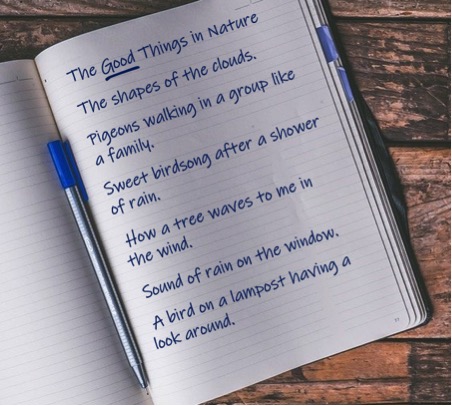
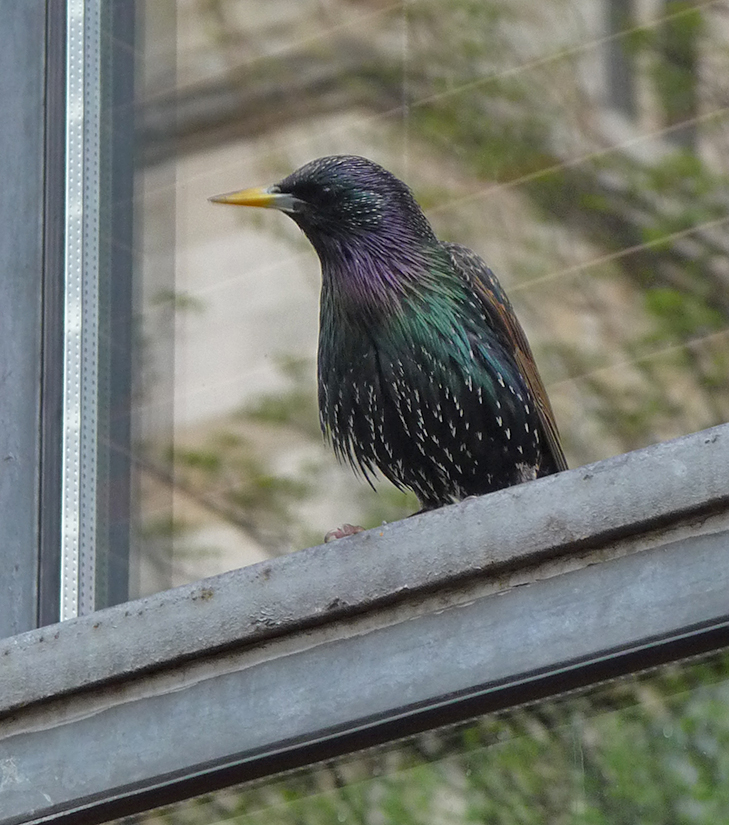
Noticing and enjoying the simple things in everyday nature really does make a difference. Listening to the birds sing, watching the breeze in the trees and noticing flowers emerge can often be done close to home, in urban areas, through a window and even to some extent through TV and pictures if needed. We’ve found that actively noticing the good things in nature benefits mental health significantly – particularly for those people who tend to be more distant from nature. During the coming months nature will provide much to notice and enjoy. The birds will be busy and in full song, trees will become green as the days warm and lengthen. Over this time simply notice nature and the coming of spring and summer.

Nature helps manage moods

Nature can help manage our moods and emotions. Regulating emotions is a very important and almost constant function of human life. It helps us respond to and deal with everyday demands in an appropriate way. The ability to keep our emotions regulated is important for well-being. Through helping balance our moods, nature helps maintain positive emotions, brings greater resilience and is even linked to enhanced immune function. Let nearby nature bring joy and calm to help manage your emotions.

Nature connection can help with social isolation

We know social relationships are really important for wellbeing, so clearly social distancing presents a challenge to keeping well. As social animals we’re also part of the wider natural world. Research has found that nearby nature can help us feel connected – nature can offer socially isolated people an alternative way of feeling connected, buffering the effect of low social connectedness. Further, nature connectedness has been found to predict well-being over and above how generally connected people feel to family and friends – close relationship with nature can really help. So when noticing nature, find a friend nearby, be it the local birds, a favoured tree or squirrels in the park. Perhaps take some action to encourage wildlife closer to your home – provide food for birds and wildlife or grow some bee friendly plants if you can.

Interestingly, those who notice the beauty of nature tend to demonstrate more pro-social and helping behaviours to others – another helpful benefit – but also, to let nature lend a hand:

  1. Tune in and notice everyday nature
  2. Let nature help manage your emotions
  3. Find a friend in nature

Finally, nature is important, but it can’t do it all, for wider information on mental health and wellbeing at this time see this guidance from Mind.


Posted in Uncategorized | 1 Comment

Nature connectedness and noticing nature: Key components of a good life.

For the past six months or so we’ve been working with the National Trust exploring how being connected with nature relates to pro-nature behaviours and wellbeing. In particular we were interested to see how much everyday moments, simply tuning into notice nature, mattered. The full report has been published as part of the National Trust’s 125thAnniversary activities.

One of our successful interventions to improve nature connectedness for wellbeing involves simply noticing the good things in nature. We know a close connection with nature comes from tuning into nature.  What does that mean?  It’s simple. We tune into nature when we engage in simple activities – like listening to birdsong or enjoying the early spring blooms.  Simple moments of tuning into nature are not only an observable indicator of the psychological construct of nature connectedness, they also manifest the psychological construct of nature connectedness.  They bring nature connectedness to life, and are how looking, listening, enjoying nature and its beauty can bring care for nature into your life, as well as happiness and meaning.

A YouGov survey of 2096 adults was used to explore how the factors below related to pro-nature conservation behaviours and wellbeing:

  • Nature connectedness
  • Time spent in nature
  • Simple engagement with nature (e.g. listening to birdsong & smelling wildflowers)
  • Indirect engagement with nature (e.g. watching or listening to nature programmes)
  • Knowledge and study of nature
  • Valuing and concern for nature
  • Pro-nature environmental action (i.e. cutting carbon and resource use – rather than creating habitat for wildlife)

Some of these factors worked together to explain 70% of the variation in people’s pro-nature conservation behaviours. Of the factors above, simple engagement through tuning in and noticing nature had the strongest relationship to conservation action.

In particular, we identified seven significant ‘noticing nature’ activities that are significantly linked to nature conservation behaviours. These help describe someone with a close and caring relationship with nature—someone who tunes in to the everyday nature around them:

  • Listening to bird song
  • Smelling wild flowers
  • Taking a photos / drawing or painting pictures of nature
  • Taking time to notice butterflies and/or bees
  • Watching the sun rise
  • Watching clouds
  • Watching wildlife

Unfortunately, although 80% of people in the survey expressed concern about the state of nature, far fewer actively help its recovery – for example only 29% said they’d created a home for wildlife in the past year. However, using our newly validated Pro-nature Conservation Behaviour Scale, we found that those people with a high level of nature connectedness, or a close relationship with nature, did much more– 40-50% more – than those with a weaker relationship. Nature connectedness was  a key factor in conservation action.

We also found that it’s about moments—not about minutes.  Spending time in nature was unrelated to nature conservation action. Care for nature is about being tuned in and having a close relationship, rather than simply being outdoors. An interest in nature shown through watching nature programmes and the study of nature (indirect engagement) also helped explain levels of nature conservation behaviours – although to a lower level than simple direct engagement with nature.  Similarly, pro-environmental behaviours (e.g. recycling) and concern for nature were linked to nature conservation activities. In reality all these factors work together, but even then, nature connectedness and simple nature engagement were involved in over 90% of that shared variation in pro-nature conservation behaviours. Tuning into nature and developing a close relationship with nature matters – a lot.

The representative survey of people also looked at the relationship between nature connectedness, nature experiences, and wellbeing.  In particular we looked at two aspects of well-being:  happiness and feeling that life is worthwhile (an indicator that people find meaning in life).  Once again, factors included in the analysis were:  nature connectedness, time spent in nature, engaging with nature through simple activities, indirect engagement with nature, and knowledge and study of nature.  We also looked at how these factors were related to ill-being (i.e., depression and anxiety).  We found that:

  • Nature connectedness and engaging with nature through simple activities emerged as important contributors to being happy and feeling that life is worthwhile.
  • Importantly, time in nature did not emerge as a significant predictor of happiness or feeling that life is worthwhile. Indeed, time as a non-factor repeats results of our other work published recently.

The survey also looked at two well-known factors that are important contributors to happiness and a worthwhile life:  having a life-partner and believing that one can control their life. Even when we considered these basic components of a good life, nature connectedness and engaging with nature through simple activities still emerged as significant important aspects of life contributing to happiness and feeling that life is worthwhile.  This suggests that nature connectedness itself—tuning into nature—is a basic component of a good life.

With regard to ill-being (i.e., depression and anxiety):

  • Nature connectedness and engaging with nature through simple activities were significantly predictive of not having anxiety and depression.
  • Again, even when we considered the basic components of a good life (being in a loving relationship and believing that one has control over their life), nature connectedness and engaging with nature through simple activities still emerged as significant important aspects of a good life, predictive of not having anxiety or depression. In essence, tuning nature in, helps to tune anxiety and depression out.
  • Importantly, time in nature did not emerge as a significant predictor of not having anxiety or depression.

These findings of time as a non-factor may seem odd.  There’s been a great deal of research showing how time in nature is important for wellbeing. However, this research often overlooked individual factors, such as nature connection and engagement. When added to the analysis these person-based factors have stronger relationships. So, when measured alone, time in nature will be a proxy for connection and engagement, but time does not tell the full story. What matters is how that time is spent – developing and being in a close relationship with nature.

Tuning in and noticing nature matters for human and nature’s wellbeing. Yet it appears that most people are tuned out. Indeed, as a society, we are out of tune with the rest of nature. Sadly, around 80% of people reported that they rarely or never watched wildlife, smelled wild flowers or drew/photographed nature. 62% of people rarely or never listened to bird song or took a moment to notice butterflies or bees. Just 6% celebrate natural events such as the longest day. In other research we’ve found that when people are prompted to notice the good things in nature, their nature connectedness and mental health improves. This provides evidence of the causal link between noticing nature, connection, and wellbeing.

Think of it this way: When a musician or an instrument is out of tune with the rest of the orchestra, the result is disharmony, discordance, and disunity—an altogether unpleasant experience.  So too when we are out of tune with the rest of nature.  When we are tuned out and fail to notice the nature around us, we also fail to notice the discordance and dishevel that our environment is in.  If we don’t take notice—we are unlikely to take action.  Moreover, by not being tuned into nature, our lives are poorer for it in terms of happiness and meaning.  Yet, as these findings show, tuning into nature—through simple acts like listening to the birds or enjoying the beauty of flowers—changes our actions to care more for nature.  Tuning into nature adds happiness and meaning to our daily lives.  Tuning in to nature is not about time, not about minutes. It’s simply about noticing the nature around you, about engaging with nature and cultivating a close, connected relationship with the rest of the natural world.

Overall, these findings highlight that time spent in nature is not necessarily a significant predictor of human wellbeing and pro-nature behaviours.  Rather it a close connected relationship with nature that plays an important role in feeling happy, feeling that life is worthwhile, and doing good for nature. This is important as a focus on time brings a focus on access to nature, when what matters more is access that promotes engagement – providing green and blue places that facilitate and prompt simple engagement with nature – on an everyday basis. This can be done through applying our pathways to nature connection design framework, as used by the National Trust, and extended frameworks published recently in the journals Landscape and Urban Planning and Urban Forestry and Urban Greening.

The warming climate and loss of wildlife show our relationship with nature is broken, these results show that too often nature is not part of people’s daily lives – from simply noticing it to celebrating the cycles of nature. We need a new relationship with nature and that starts by tuning in and noticing nature and its beauty. Letting nature manage our emotions. Celebrating its presence and story through cultural events. These are key components of a worthwhile life, a sustainable life – a good life.


A blog by Prof. Miles Richardson and Dr Holli-Anne Passmore.

Posted in Uncategorized | 1 Comment

Beyond Nature Contact to Connection: A Missing Link in a Sustainable and Worthwhile Life.

Our latest research with 4,960 adults across England has found that nature connectedness is important, over and above getting out into nature, for eudaemonic wellbeing and pro-nature behaviours. The work is a key paper from a five-year project co-ordinated by Natural England, supported by several national nature conservation groups and involving a number of universities along the way. The project aimed to establish the contribution of both nature contact and nature connection to wellbeing and pro-nature behaviours.

A large amount of evidence has been published showing time in, and contact with, nature are important for health and wellbeing and this evidence is now increasingly recognised. However, nature connectedness as a measurable psychological construct that describes how close a person is to nature has emerged more recently, so much less is know about its contribution, especially when entered into the models that study contact with nature.

The study, published in the Journal of Environmental Psychology, investigated the relationships between nature contact (visits and neighbourhood greenspace), nature connectedness (measured using the NCI developed as part of the project), general health, wellbeing, pro-environmental and pro-nature conservation behaviours within a single study analysed using linear regression models.

The study collected data from a representative sample of the adult population of England (N = 4,960) collected via the Monitor of Engagement with the Natural Environment (MENE) survey. As part of the United Kingdom’s official statistics, substantial effort is made to ensure representative sampling.

Check out the full research paper for the analysis, here we can jump straight to a selection of the results.

Nature Connectedness

After accounting for various types of nature exposure and a comprehensive range of socio-demographics (e.g. socio-economic status, neighbourhood deprivation, urbanicity, gender, ethnicity, employment, marital status) we found:

  • A positive relationship between nature connectedness and feeling one’s life has meaning and is worthwhile (eudaemonic wellbeing) – nearly 4 times larger than the increase associated with higher socio-economic status.
  • A positive relationship between nature connectedness and household pro-environmental behaviours (e.g. recycling, buying locally sourced food, eco-friendly products, walking or cycling).
  • A positive relationship between nature connectedness and pro-nature conservation behaviours (e.g. supporting nature conservation and volunteering).

A close relationship with nature is 4 times more important than purchasing power for feeling your life is worthwhile.

Psychological connectedness to nature was found to be important over and above getting out into nature for eudaemonic wellbeing, pro-environmental behaviours and pro-nature conservation behaviours.

Contact With Nature

For contact with nature we found:

  • Visiting nature once per week or more was associated with better household pro-environmental behaviours and general health (to a level substantially higher than socio-economic status) – but not directly to living a worthwhile life or pro-nature conservation behaviours.
  • Living in a greener neighbourhood was negatively related to general health and unrelated to any wellbeing or sustainability outcomes – highlighting the difference between presence of and use of greenspace.

These results suggest a need to encourage visits to local green spaces, but for the type of activities related to nature connectedness (e.g. pathways to nature connection) – more on this below.

Indirect contact with nature through watching nature programmes was also included in the analysis, there were some positive results with complex interactions. In brief, individuals who watched nature programmes reported more pro-nature conservation behaviours than those who did not, and this pattern became more marked as nature connectedness increased. This suggests further work around designing nature programming around the pathways to nature connection to intentionally increase nature connectedness could be worthwhile. However, for highly connected individuals watching nature programming was related to reduced life satisfaction, perhaps related to heightened concern about the decline of nature now increasingly referenced in nature programmes. This highlights the need for efforts to increase nature connectedness (for human and nature’s wellbeing) to be accompanied by positive news on the restoration of nature.

Visit nature for health. Connect for wellbeing.

Interaction effects

The analysis also considered how the main factors worked together.

Nature connectedness was found to be a key factor, not just in terms of a direct relationship with wellbeing and pro-nature behaviour, but also through interaction effects on indirect and intentional nature contact. For instance, living a worthwhile life, nature connectedness and frequency of visits to nature interacted. This suggests optimal visits may be those that activate nature connectedness – once again through the type of activities suggested by the pathways to nature connection.

For pro-nature behaviours and eudaimonic wellbeing think ‘what’ rather than ‘how long’ or ‘how often’.

Pro-nature Behaviours

The study also provided some interesting results on pro-nature behaviours.

Firstly, the analysis showed that pro-environmental behaviours and pro-nature conservation behaviours are distinct factors – that is they form two types of human behaviours that need to be thought of differently. However, although there are many validated scales of pro-environmental behaviours, there are none for pro-nature conservation behaviours (the good news is we’ve developed one at the University of Derby).

The study found that household pro-environmental behaviours, such as recycling, were far more frequent in our sample than pro-nature conservation behaviours (e.g. nature conservation volunteering) that are likely to require greater commitment and effort – and, as another paper from the project reports, are associated with higher levels of nature connectedness.

It is important to note that while the direct relationships between nature connectedness were stronger for household than conservation behaviours, the interaction effects were stronger for conservation than household behaviours. This suggests that efforts to improve nature connectedness may be particularly important for conservation behaviours that arguably require greater personal effort.

A close relationship with nature is important for pro-nature behaviours.

Implications

It is important to note that the link between nature connectedness and both living a more worthwhile life and pro-nature behaviours remained after accounting for various types of nature exposure and a comprehensive range of socio-demographics. Also, it should be noted that causality cannot be established form this type of research, however evidence of a causal relationship between nature connectedness and key outcomes has been found in other research, for example to improved pro-environmental behaviours and greater wellbeing.

The current study has though identified that the role of nature connectedness is important over and above getting out into nature for the two important outcomes of eudaimonic wellbeing and pro-nature behaviours. These effects are practically meaningful, given that they were greater in magnitude to benchmark socio-demographic factors.

Nature connectedness is a key target to foster a worthwhile and sustainable life.

Theory and research has largely overlooked the relevance of person specific factors in human-nature interactions and the results suggest that a more nuanced approach to human-nature interactions is necessary. This has implications for policies related to improving both human and planetary health.

The interaction effects show that nature connectedness influences the way in which people respond to contact with nature. This suggests that interventions are needed that increase both contact with, and connection to nature, in order to achieve human and nature’s wellbeing.

The results are particularly relevant to practitioners and policy makers because of the nationally representative nature of the sample and diverse types of nature contact respondents had. The concept of a worthwhile life also links through to the idea of a “good life”. A key transformative change stated in the IPBES assessment report on biodiversity and ecosystems (Section D3: Summary for policy makers) was to re-evaluate what we mean by the idea of a “good life” – improving nature connectedness provides a target to help establish a worthwhile life, a pro-nature life – a good life.

Conclusion

In sum, the psychological construct of nature connectedness, which describes the closeness of our emotional relationship with nature, was a key factor. Firstly, in terms of its direct relationship with having a worthwhile life, pro-environmental and pro-nature conservation behaviours. Secondly, through its moderating effect on nature contact – reporting a meaningful and worthwhile life (eudaimonic wellbeing), nature visit frequency and nature connectedness interacted, suggesting optimal visits may be those that activate the pathways to nature connectedness – which has implications for the types of activity encouraged in greenspaces.

The results support the value of collecting population levels of nature connectedness (as we did with the NCI) and encouraging interventions that increase it among the population. There is a clear need to move beyond facilitating access to nature to consider access for connection with nature. The pathways to nature connectedness (PDF pathways postcard) provide a design framework for interventions intended to facilitate the right type of nature engagement for connection.

Encouragingly we know nature connectedness can be increased through simple interventions such as noticing the good things in nature and campaigns such as 30 Days Wild. However, the warming climate and crisis of biodiversity loss show that the human relationship with the rest of nature is broken. The population data shows that levels of nature connectedness need to be significantly higher for the majority of the population to bring about the behaviours required for a sustainable future. A new, closer and sustainable relationship with nature will require systemic change at deep leverage points. We’re already working on ways to apply the pathways to nature connectedness at deep leverage points and will publish proposals in the coming months. For now, the research above provides an essential first step, identifying the key role of nature connectedness, highlighting a missing link in human and nature’s wellbeing.


Martin, L., White, M. P., Hunt, A., Richardson, M., Pahl, S., & Burt, J. (2020). Nature contact, nature connectedness and associations with health, wellbeing and pro-environmental behaviours. Journal of Environmental Psychology, 101389.


Posted in Uncategorized | 2 Comments

Cats, Dogs, LSD and the Meaning of Know

A few articles, conversations and blogs have caught my attention recently – dogs (and cats for balance), LSD and the notion of ‘to know is to care’. All with a relation to nature of course!

Firstly, I’ve seen debates on Twitter and an article on dogs and nature reserves recently. The article argued along the lines that the need for human contact with nature means that dogs, and therefore their owners, should be allowed into nature reserves. The environmental impact of the dogs being acceptable as contact with nature for the owner brings care for nature. There’s a body of research into the impact of dogs on wildlife. For example, with dog walking reducing bird variety and numbers by around 40%, even when on leads. There’s not so much on contact, time or exposure to nature leading to pro-environmental behaviour (broadly carbon footprint reduction). Predictors of pro-environmental behaviour tend to be values, responsibility, attachment and nature connectedness – recent research shows it’s about relationships more than time. The same research suggests visits to nature are not related to pro-nature conservation behaviours (broadly habitat creation) – whereas nature connection is.

Cats and Dogs and Nature

It’d be very difficult to assess whether the impact of a little more individual contact on pro-nature behaviour would outweigh the harm done by the dogs’ presence, but recent evidence suggests it would not. Personally, I’m all for nature reserves being for nature with any human access being related to necessary monitoring and management, or as a ‘leave no trace’ place to help build human-nature connectedness – that is an outcome linked to pro-nature conservation behaviours.

I was also struck by a line in the article that dog owners’ level of contact with nature puts them first in line to be champions and campaigners for nature.  Putting the contact to care link aside, there’s little data on whether dog owners care for nature more than none owners. What has been found is that pet owners, including cat owners, exhibit greater pro-environmental behaviours. It seems likely that people who care for nature are more likely to have a pet – bringing a link to nature by proxy into their lives perhaps. As cats don’t get walked it also suggests the additional regular contact with nature through dog walks is not a big factor in care. However, cats have a greater impact on wildlife than dogs – so those who care more have a pet which impacts wildlife more. A message here is that there are no simple explanations.

What I think we should understand is that ultimately human actions have an impact on nature. Be it owning a dog, a cat, driving to a nature reserve alone, buying products with palm oil – even turning on a light. As the article says ‘humans are messy and self-regarding’ – we need to accept that many of our actions impact the rest of nature in some way. Few, if any of us in the Western world ‘leave no trace’. What we do know is there’s a causal link between a close connection with nature and doing more to care for the environment. And that a close connection with nature doesn’t come through time spent in nature alone.

So how do we improve the relationship with nature? Should the less connected to nature take LSD?

That’s an idea in a recent research paper on the links between psychedelic use and nature connectedness. It has received a lot of interest, including in The Conversation, it makes for a headline. In a survey of psychedelic substance users the researchers studied the relationship between psychedelic use and nature connectedness. They found increased ego-dissolution and influence of natural surroundings during the psychedelic state (to me this is the interesting aspect of research in this area, suggesting nature connectedness is an observable brain state). The researchers concluded that there was evidence for a causal effect of psychedelic use on increased nature connectedness (of around 2.7% from my calculation), and that this “bears relevance for psychedelic treatment models in mental health and, in the face of the current ecological crisis, planetary health“. Noting that “these findings point to the potential of psychedelics to induce enduring positive changes in the way humans relate to their natural environments“. They also “propose the use of specific techniques for nature connection before or after treatment with psychedelics, such as forest walking, or Shinrin-Yoku (forest bathing).”

Although the positive impact of nature connectedness for human and nature’s well-being is highlighted in the paper, there’s little on existing interventions to improve nature connectedness. Indeed, although there’s likely to be a positive impact, currently there is little evidence on a link between forest bathing and nature connectedness. Successful interventions that have delivered greater increases in nature connectedness and clinically significant increases in mental health, such as noticing the good things in nature and 30 Days Wild, are not discussed. If ‘treatment with psychedelics‘ is a proposed route the majority of the UK population would need to take them – but even then a 2-3% increase wouldn’t be enough for a sustainable future.

Practicalities and outcomes aside, i’m not sure taking a biomedical approach to the problem of our disconnection from nature is beneficial. The biomedical model of medicine is based on a deviation from ‘normal’ – health being a function of the individual. These models view people as separate from the environment, separate from nature. ‘One health’ models where nature is part of people’s health can help bring about the cultural changes that can bring about the increases in nature connectedness needed for a sustainable future.

So if prescribing psychedelics is not the solution, what about teaching people to care through increasing knowledge about nature?

Some of those seeking to build a more caring relationship with nature suggest that “We won’t love what we don’t know” or in a recent tweet “We need to teach our children about the natural world so they learn to love it and therefore will fight to protect it”. Some cite Richard Louv “We cannot protect something we do not love, we cannot love what we do not know” – however, the quote continues – “and we cannot know what we do not see. Or hear. Or sense.”

This is important as out of context the start of that passage could refer to know as “be aware of through observation, inquiry, or information”. However, the paragraph the quote is taken from refers to ‘attachment theory’ – a deep and enduring emotional bond. The following paragraph refers to sense of place, relationships, beauty and wonder. Here a second definition of know makes better sense – “have developed a relationship with”.

So, to see, hear and sense are part of the meaning of ‘know’ – to be aware of and have developed a relationship with. Research shows a focus on education, information and knowledge, such as learning facts and figures, is not the route to connection with and care for nature. Education explains 2% of ecological behaviours, nature connectedness explains 69%. To know – to hear, sense and see – matters as a caring relationship comes from noticing, wonder, finding meaning and beauty.

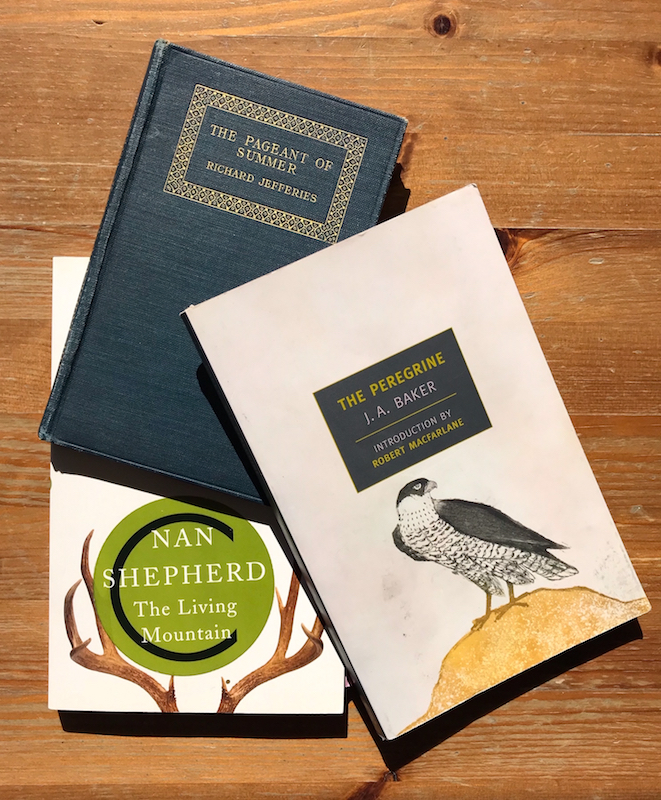
Nan Shepherd also refers to knowing on the closing page of The Living Mountain. “Knowing another is endless…The thing to be known grows with the knowing.” Is Nan referring to knowing as being aware of through observation, or having developed a relationship with? The book is full of observation, but in the forming of a deep relationship with the mountains. ‘Knowing another’ suggests relationship and the context includes emotion in penetrating “deeply into the mountains life“.

So rather than know that a tree is an oak we should consider what ‘know’ in this context means. See, sense, hear, notice, experience, appreciate, feel, behold, be friends with the tree. Then you’re likely to want to learn that the tree is an oak, understand its ecology and cultural significance.


Posted in Uncategorized | 6 Comments

Do urban green spaces with more birds promote positive emotions?

Our latest research paper has just been published in Urban Ecosystems, this blog provides excerpts and a brief summary of the full paper which is available open access. The research was part of the Improving Wellbeing through Urban Nature project which was all about the relationships between urban green space and residents health and well-being. I’ve already written about one key outcome of the project, our smartphone app that led to clinically significant improvements in mental health through noticing the good things in nature. Another part of the app was for users to rate both biodiversity and the positive emotions of the green spaces they visited.

In a world that is rapidly urbanising access to nature and green spaces can be restricted owing to urban sprawl or provision of green space not being prioritised. Urbanisation is also associated with habitat loss and reduction in biodiversity. Yet urban green space is good for wellbeing – however will any type of green space do? Is green space with greater biodiversity better for wellbeing? Is it simply about access to nature or engagement?

The human need for nature is now seen in some models of health, for example the ‘one health’ perspective. Nature is a positive force for wellbeing and is central to positive emotional states helping manage our emotions. The beneficial effects of nature on wellbeing are driven by increases in positive affect. Positive emotions broaden thoughts and actions and help build resilience, leading to sustained well-being benefits. There is also a relationship between positive affect and immune function through up-regulation of immune components. In the published research we use ‘in the moment’ emotional responses to nature in urban environments as a measure of positive emotion.

Higher levels of biodiversity have been linked to more positive psychological responses. Also, perceived floral richness has been linked to higher levels of nature connectedness which itself is associated with higher levels of wellbeing. However, care is required when defining urban biodiversity. Although urbanisation is linked with losses to native biodiversity, actual overall biodiversity can rise in parks due to the wide use of non-native and cultivated plants. In this study we restricted ourselves to birds and defined habitat types to avoid such complications.

Despite recent research on the value of green space for human well-being, it is not clear which types of urban green space should be promoted. Similarly, it is still not evident, to what extent such green spaces need to be biologically-rich to elicit positive emotions. Therefore our research set out to determine how typology of urban green space affected human emotion (how happy people felt) and whether more positive emotion was associated with higher biodiversity (as determined by bird species richness and habitat number) and participants’ perceptions of biodiversity or bird abundance.

The detailed method and results can be found in the full paper, but in brief results showed a strong relationship between levels of bird biodiversity within a green space and emotional response to that space. People reported being:

  • Happier in sites with greater variety of birds.
  • Happier in sites with a greater variety of habitats

Further, these relationships were strengthened when people thought the site was wildlife rich, even if it was not. The results strengthen the argument that nature enhances wellbeing through positive affect, and that increased engagement with nature may help support human wellbeing within urban environments. The results also have strong implications for city planning with respect to the design, management and use of city green spaces.

The positive results were found even when the green spaces may not necessarily be regarded as ‘top quality’ in terms of infrastructure, management and wildlife habitat. For example, a park with the highest bird biodiversity and habitat number and therefore promoting positive emotions, did not warrant a ‘Green Flag’ award; a standard based on public accessibility, environmental standards, maintenance levels and facilities available. Perhaps there’s a need for a ‘Green Heart’ award for those places that best enhance wellbeing and facilitate nature connectedness through facilitating the pathways to nature connectedness.

The results are also encouraging as the general publics’ perceived biodiversity related strongly with actual bird biodiversity. This provides further evidence of people having an innate, but latent, connection to the rest of the natural world – or the secret network of nature. Also, there was some evidence that engagement with nature increased with use of the smartphone app, perceptions of biodiversity and emotional levels increased, suggesting that noticing the good things in nature (which increased nature connectedness) stimulated people to become more aware of nature.

Our previous work shows that engagement with nature’s beauty mediates the relationship between nature connectedness and happiness. Another interesting aspect of the results was that people with a high level of engagement with natural beauty responded less positively when they perceived low biodiversity than those with less engagement. Also, those more engaged with nature’s beauty responded more positively when they thought the green space was biologically rich. This suggests that for people who have a strong appreciation of nature’s beauty viewing biodiversity is important for positive emotions. However, they may also have the most to lose emotionally if green spaces become less diverse. The conundrum here is that we need people to have a stronger connection with the rest of nature to bring about pro-nature behaviours, yet in doing so we could expose more people to lower positive emotions and eco-anxiety if closer relationships with nature aren’t matched with the restoration of nature.

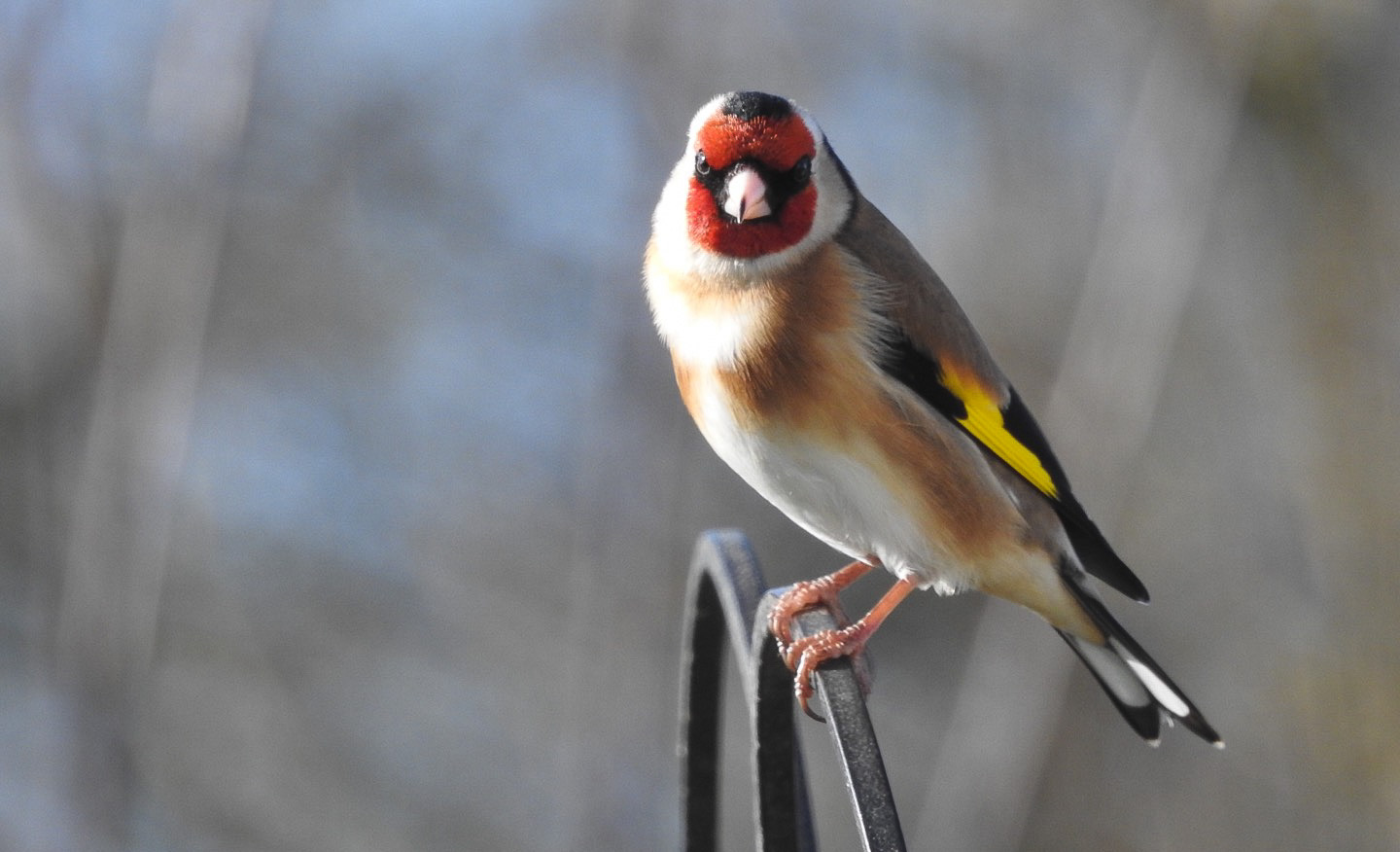
Further the results suggest that not any type of wildlife will do. Our relationships between positive emotions and bird biodiversity were stronger than those with bird species abundance, though the relationships with abundance improved when the more common species like pigeons and ducks were removed from the analysis. It is important that policy makers and conservation bodies maximise the opportunities to enhance biodiversity within urban areas – it is encounters with a variety of wildlife that appears important to many city residents.

A variety of birds is best for wellbeing

In sum, the results show some of the strongest correlations between urban biodiversity and positive emotions published to date. Policy makers need to consider more carefully the value that wildlife has for urban residents – our analysis of the good things in nature showed urban wildlife was important. The research strengthens the arguments that positive emotions can be strongly influenced by a connection to nature and the opportunity to engage with nature and appreciate its beauty. The results suggest that the type of green space matters and planners need to give space for quite extensive, diverse, green landscapes within urban areas. Finally, the results also suggest there is a need to move beyond access to connection and engagement – creating green spaces that prompt and give the opportunity to engage with a range of wildlife and the good things in nature.


Cameron, R.W.F., Brindley, P., Mears, M. et al. Where the wild things are! Do urban green spaces with greater avian biodiversity promote more positive emotions in humans?. Urban Ecosyst (2020). https://doi.org/10.1007/s11252-020-00929-z

Posted in Uncategorized | 1 Comment