Emotional regulation explains the benefits of nature contact and connection

Previous research into the wellbeing benefits of nature has primarily focused on restoration – essentially a dose of nature will do you good when you’re fatigued. This is great, but nature is much more than a pill to pop, there are much deeper connections and a story to tell how nature keeps us well, rather than restores us. Restoration-based accounts do not explain all the well-being benefits derived from nature.

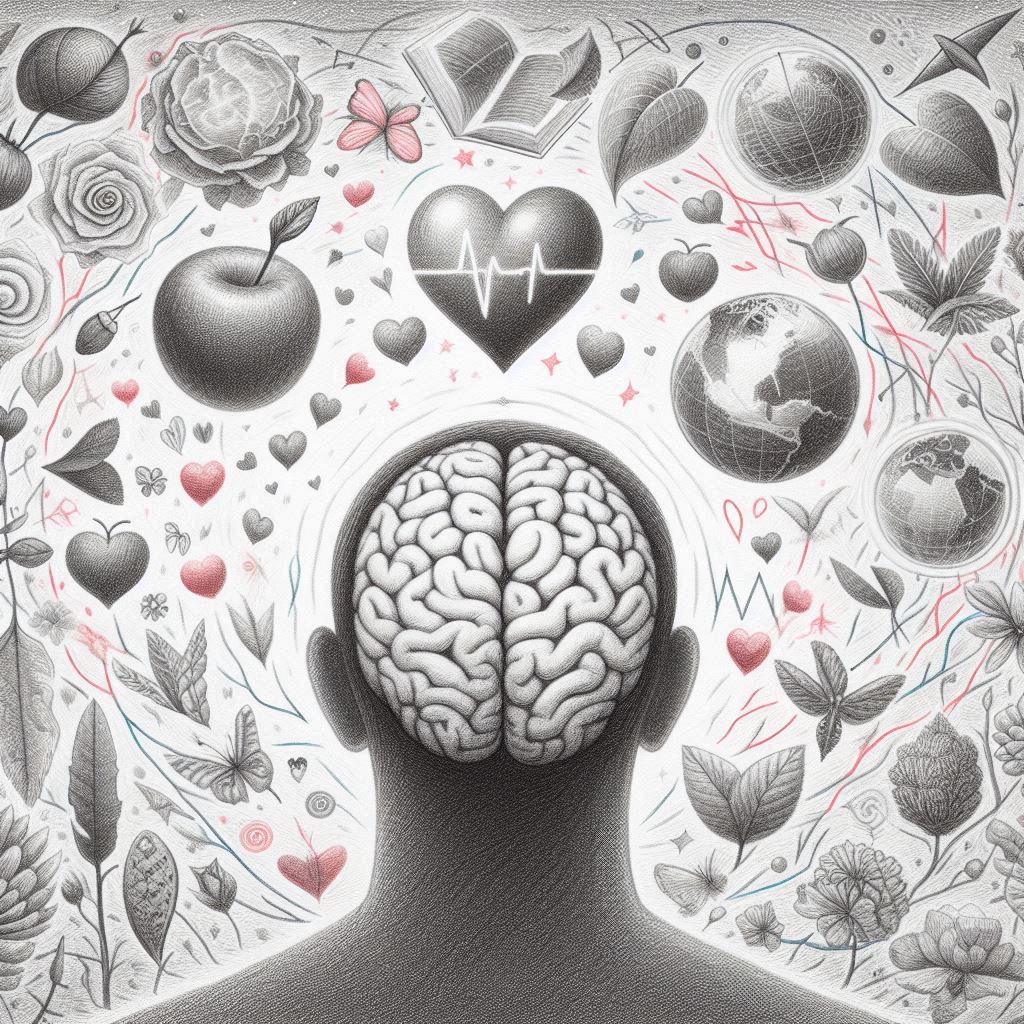
The role of nature in the regulation of emotions has been overlooked despite evidence that people seek out nature to manage their moods.  My previous work between 2016 and 2019 on nature and emotion regulation first considered how a model of affect regulation, the three circle model of emotion, provides a framework to explain the mental well-being benefits of nature, illustrated below. This was followed by a study that showed that emotional regulation was involved in the relationship between nature connectedness and wellbeing, showing that people who are less connected with nature experience greater difficulty in emotion regulation. The final paper summarised this work and showed how nature helps manage our emotions for wellbeing.

In the last nine months three more papers on nature, connectedness and emotional regulation have been published. The first considers nature contact for emotion regulation and explored the roles of nature connectedness and engagement with nature’s beauty in urban young adults. It found that nature connectedness mediated the link between nature contact and emotional regulation. Further, engagement with natural beauty moderated the link between nature contact and emotional regulation.

The second paper looked at the role of emotion regulation in the links between nature contact, emotional ill-being and well-being. Again, effective emotion regulation was involved in the relationship between nature contact and better wellbeing, but for some wellbeing outcomes time in nature provided diminishing returns. This paper didn’t consider nature connectedness, but the third did.

The final paper was a review of the role of nature in emotion regulation. Their review of 27 studies found that nature exposure has a positive impact on emotion regulation in general and on specific emotion regulation strategies, such as enhancing the use of adaptive emotion regulation strategies  such as mindfulness and decreasing rumination and worry. The benefits of nature connectedness were mediated by emotion regulation processes. This is illustrated in the diagram above.

It’s increasingly clear that the benefits of nature contact and connection can be explained by changes in emotion regulation. As such, frameworks explaining how nature benefits wellbeing need to be updated to include emotion regulation in addition to restoration. Nature helps manage our moods and keep us well.


Richardson, M., McEwan, K., Maratos, F., & Sheffield, D. (2016). Joy and calm: How an evolutionary functional model of affect regulation informs positive emotions in nature. Evolutionary Psychological Science2, 308-320.

Richardson, M., & McEwan, K. (2018). 30 days wild and the relationships between engagement with nature’s beauty, nature connectedness and well-being. Frontiers in Psychology9, 1500.

Richardson, M. (2019). Beyond restoration: considering emotion regulation in natural well-being. Ecopsychology11(2), 123-129.

Gu, X., Zheng, H., & Tse, C. S. (2023). Contact with nature for emotion regulation: the roles of nature connectedness and beauty engagement in urban young adults. Scientific Reports13(1), 21377.

Vitale, V., & Bonaiuto, M. (2024). The role of nature in emotion regulation processes: An evidence-based rapid review. Journal of Environmental Psychology, 102325.

Bratman, G. N., Mehta, A., Olvera-Alvarez, H., Spink, K. M., Levy, C., White, M. P., … & Gross, J. J. (2024). Associations of nature contact with emotional ill-being and well-being: the role of emotion regulation. Cognition and Emotion, 1-20.

Posted in Uncategorized | Leave a comment

Children and nature – making lasting connections

A guest blog by Dr Fiona Holland, from the School of Psychology at the University of Derby

Nurturing a connection with nature has long-term benefits for children. This blog explains how research in this area has led to the creation of a new resource for parents, carers and those working with young children – the Connecting Families With Nature Handbook.

We can all probably identify particular moments in nature where we’ve felt a sense of connection – we might stop and observe a spider web in the dew, smell a flower, listen to a bird, or perhaps enjoy a well-earned view from the top of a hill. For those with children, a highlight of parenthood can be times when we see our loved ones enjoying times outside, immersed in nature whether they are gleefully enjoying rolling down a grassy bank, amazed at the sight of a harvest moon, or fascinated by a bug on a leaf.

The benefits of spending time in and being connected to nature for children are well established and nature-based interventions have been shown to enhance the mental health and wellbeing in children. However, it is not simply spending time outside that leads to these improvements, it the relationship with nature that has been found to be an essential ingredient.

Pathways to nature connectedness

The pathways to nature connectedness, developed at the University of Derby, show that there are five ways that people of all ages connect to nature: through Contact (such as listening to birdsong), Meaning (seeing nature as a way to represent an idea, for example the first flowers heralding spring), Emotion (expressing feeling about nature via talking or writing about it), Beauty (appreciating an amazing view, using art to capture this) and Compassion (such as being concerned for animals and plants).

The pandemic highlighted disparities across the country, as families from lower socioeconomic levels had more limited access to outside play and nature and spent less time outdoors (Natural England, 2021). The UK government sought to fund opportunities for young people from these areas once lockdowns were lifted. I, alongside my colleague, Dr Caroline Harvey, Senior Lecturer in Psychology at the University, evaluated one project, Generation Green. This was a large, multi-partner intervention and included organisations such as the Outward Bound Trust, the YHA England & Wales, Scouts, Girlguiding, Field Studies Council and the ten English National Parks.

Back to baseline

Findings from the evaluation were positive, with participants (aged 11-16) showing increases in nature connectedness and confidence in making new friends. However, follow-up measures indicated that once the young people return to school and daily life, their nature connectedness returned to baseline levels again a few months later. For changes to be sustained over time, more time with and in nature is needed. Resources are clearly needed to support the maintenance of these benefits over time and mapping these across the pathways to nature connectedness will help maximise any benefits.

As a result we have teamed up with Developmental Psychologist Dr Chris Barnes to create the Connecting Families with Nature Handbook, a user-friendly activity pack that is easy for parents, teachers, nursery, pre-school and family hub staff to ‘grab and go’.

The activities in the initial handbook focus on children aged from 0-7, and more activities will be added to suit a range of ages as the resource is developed further. Derby City Council has funded the initial Activity Handbook and, alongside things to do for families with young pre-school and school-aged children, it also includes some nature-based activities for 0-2 year-olds, an age-group often overlooked. The pack is freely available, and is easy to use with minimal resources needed. You can access it via this link:

Connecting Families With Nature Handbook

We are looking forward to evaluating the handbook with families in Derby later this year, and to sharing the resource at the Nature Connections Conference in Derby in June. This two day conference is hosted by the University of Derby. Fiona and Caroline are presenting a keynote talk, as are several other colleagues from the Nature Connectedness Research Group

Top tips for connecting with nature with children

  1. Make sure your child is dressed for the weather, and bring along drinks and snacks if needed. Engaging with nature positively is less likely to happen if they are too cold, hot, or hangry!
  2. Slow down – try to allow children to engage in an unhurried way; they can spend time playing with sticks, mud and leaves, and adults can benefit from the opportunity to be present too
  3. Try to avoid the temptation to go on your phone while a child is engaging with nature – this disconnects you from the experience, and also offers a contrasting model for the child. Phones can be used to take photos of a particularly interesting plant or animal, or to identify something, but scrolling is not advised
  4. When trying an activity from the resource pack, think of ways you can personalise it even further for the child/ children – e.g. if you are doing a nature treasure hunt, what could you add in that you know will delight them on their search?
  5. Taking children out with a friend, sibling or play group can enhance the fun for some, and we encourage parentso try to foster a spirit of collaboration rather than competition so the children help each other to make art, or find natural objects, rather than racing or competing against each other.

Find out more about nature connectedness research at the University of Derby.

Posted in Uncategorized | Leave a comment

The Importance of Nature Connection for Business

By Miles Richardson, Yves Hayaux Du Tilly and Carly Butler.

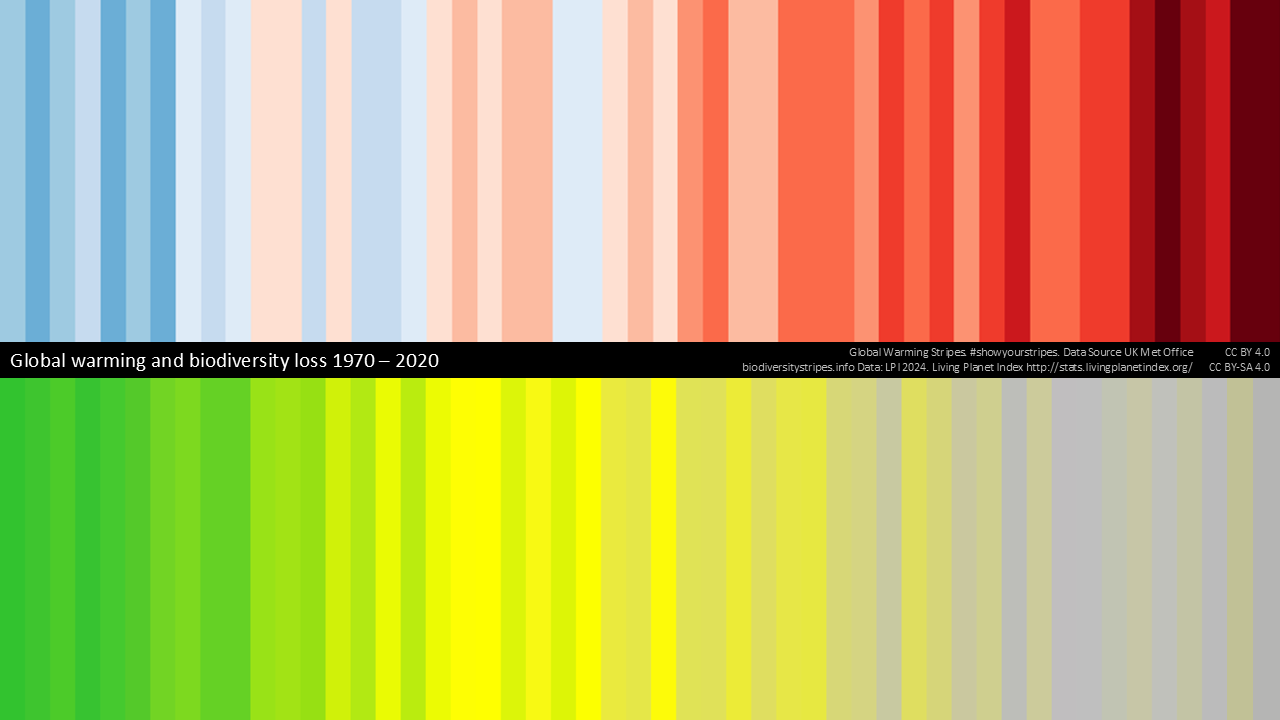
Many businesses are committing to zero carbon targets, and some have committed to becoming ‘nature positive’. This Zero Carbon: Max Nature strategy recognises the two key elements of the environmental crises, that is, biodiversity loss and climate warming. Global institutions such as the UN recognise that both these issues are caused by the failing human relationship with nature.

Every nation that meets the needs of its population does so through over consuming natural resources, by being in debt to nature. In 2020 the World Economic Forum’s Nature Risk Rising report noted that business as usual is no longer an option. The WEF 2022 insight report into transforming the relationship with nature in cities and subsequent Nature Positive city guidance (WEF, 2024) provides further recognition of the unsustainable imbalance between what we take from nature and what we give back to nature as a species.

Biodiversity loss is now one of the top global risks reported by business leaders in the next ten years, the top four risks are all environmental (WEF Global Risks Report 2024). More than half of the world’s GDP ($44 trillion) is moderately or highly dependent on nature or its services. Risks are both direct and indirect – from reliance on nature for business activities, to disruption of customers, markets, and regulations, through to societal disruption (WEF, Nature Risk Rising, 2020).

The loss of ecosystems does not only imply the need to change the way we live, but also the inevitable necessity to shift the manner in which we consume and exchange goods and services. The foregoing represents a systemic change with financial risk and substantial disruption to businesses that will face the challenge of shifting from doing business “as usual”. It is not until businesses understand the risk and problem they are facing that they will be able to identify the opportunities arising from the environmental crises, that will permit them not only to contribute to protect and restore nature but also to find their purpose as social and economic contributors. This can range from avoiding impacts on nature, to active recovery of the state of nature, to contributing to system-wide change.

There is a need for directors to understand the risks and business threats and to counter them by creating new ways of offering services and providing goods in a sustainable manner, that is, without compromising the possibility of continuing offering such services and providing such goods in the future, hence, generating the resilience created by undertaking business with nature. This is what being sustainable means.

We can no longer prioritise the dominant value of living from nature, whilst devaluing the importance of living with, in and as nature (IPBES). The overemphasis on living from nature has led to unsustainable use and abuse of natural resources, with catastrophic implications for the planet and all its inhabitants. We need to find more sustainable ways of living from nature, not doing so is not risky, it is catastrophic.  We must now live and do business with, in and as nature.

Economic growth has come at nature’s expense. Yet the loss of nature is the biggest threat to ambitions for economic growth, and to a liveable planet. For a sustainable future, economic functions need to be integrated with social and ecological functions – where cities are living systems and all their elements, such as their economy, governance, infrastructure, and wellbeing function in and as nature, becoming nature positive.

The need for sustainable and nature-positive business brings opportunities. The WEF reports aim to support businesses and cities living in harmony with nature. Noting that innovative business models should restore or utilise healthy ecosystems, and need to replace business models where it is cheaper to destroy nature than to protect it. The WEF’s Future of Nature and Business report identifies dozens of emerging nature-positive business opportunities, which could generate up to $10 trillion, and create 395 million jobs by 2030.

The Stockholm+50 evidence review also outlines sustainable business models include scaling those that focus on services delivered, rather than products made, whenever possible. Supply chains should be better for both humans and the natural world. For workers and the consumer, a sustainable lifestyle should be an easy choice.

The adoption of sustainable business models and practices can contribute to restore the human-nature relationship. Like most people living the current failing relationship with nature, many businesspeople will feel a separation from nature.

Since the scientific revolution and enlightenment, we’re schooled to think of a distinction between humans and nature coexisting in separate boxes, in both our thinking and in our actions, spending very little time in and with the rest of nature, for example.

However, recent research has shown that the loss of this bond with nature matters. Not only for the wellbeing of the natural world through exploitation and reduced pro-environmental behaviours, but the wellbeing of people. A closer relationship with nature helps people feel good and feel they are living a meaningful life, not merely existing.

Equally, businesspeople who have a closer relationship with nature are more likely to support and champion the adoption of sustainable and regenerative business models and practices. While facts and figures about the environmental crises and the risks of nature on business and the economy may scare us into action, having an emotional connection with nature and appreciation of the interconnectedness of human and planetary wellbeing are key drivers for change.

Within a business setting, people with purpose and who feel good are an asset in themselves but will also support nature positive business direction. A close relationship with nature can also be key in developing a sense of place – successful businesses often have a home its staff and customers care about.

Finally, a sense of interconnectedness and appreciation of interrelationships is good for systems thinking, a foundation for successful decision making. People who live closer to nature tend to be better at more complex systems thinking.

Being nature positive is aligned with the fair distribution of abundance which is a characteristic trait of nature. The centuries old industrial mindset of living from and exploiting nature presents the greatest threat for humankind and represents an existential risk. There are new opportunities for growth of sustainable business models that allow us to live and do business with, in and as nature.

The new Nature’s Workforce initiative that grew from the Save Our Wild Isles films offers activities, resources and guides for employees to help their workplace be a force for nature, with suggestions on how to start conversations about nature and business. Last year we launched a resource to help businesses and other organisations move towards sustainability by a focus on improving relationships with nature: The Nature Connected Organisations Handbook: A guide for connecting organisations with nature for sustainable futures and workplace wellbeing. The handbook offers a framework for the growth of nature connection and guidance on auditing and developing practices. By growing nature connection amongst staff, designing structures and processes that support closer relationships with nature, and creating a culture that has a respect and care for nature at its heart, businesses can take action that protects and restores nature and human relationships with nature for sustainable futures.


Posted in Uncategorized | Leave a comment

Climate Connection: Navigating Anxiety in a Changing World

When close to someone it is natural to worry when they are unwell. So, it makes sense that people who are closer to nature are worried about biodiversity loss and climate change. Given one benefit of increasing nature connection is mental wellbeing, this could appear to be a conundrum. If we love, we care. If we care, we worry. And worry can lead to distress. It is important to understand these relationships.

There’s growing interest in both climate anxiety and nature connection, but they also need to be considered together. A few studies have started to do this and untangle the relationships. Thomson and Roach (2023) did indeed find a relationship between nature connection and climate worry. And between climate worry and psychological distress. They also found that nature connection was linked to both individual and collective climate action.

Similarly, Curll et al (2022) found a link between nature connection and climate anxiety, which was associated with psychological distress. Wullenkord et al (2024) have also found nature connection to be a risk factor in climate anxiety. This suggests a troubling paradox, to address climate change there is a need for action, which can be promoted through nature connection, but that could well increase climate anxiety – although nature connection also brings mental wellbeing benefits.

However, Thomson and Roach (2023) also found climate knowledge played a role in these relationships, and Whitmarsh et al. (2022) have studied this further. They found widespread climate worry, but far lower levels of climate anxiety, an important distinction. They found the strongest predictor of climate anxiety was climate information seeking behaviour. Environmental information seeking behaviour is related to risk and associated with climate anxiety. Reese et al. (2023) combined some of these aspects, finding that higher risk perception, but not nature connectedness, predicts climate anxiety. Climate anxiety revolves around notions of threat.

Curll et al also found that taking individual climate action was related to reduced psychological distress, although collective action had the opposite effect, perhaps via increasing information and risk perception depending on the tone of the collective action.

Taken together, the results suggest that seeking to improve nature connection may well be less problematic for increasing psychological distress than might first appear. This work also suggests the importance of giving people the opportunity and agency to take action, one of the pathways to nature connection. There is a need to focus on solutions and positive action, rather than fear and threat. Focussing on threat engages people, but at a cost. Further, the climate narrative can often appear as a life without, through less travel for example. The narrative of a new relationship with nature is about living with, such that people and the more than human world flourish together.

You find out more on creating a new relationship with nature in our nature connection handbook, connected organisations handbook, policy briefing, Silk Mill vision and my book Reconnection.


Thomson, E. E., & Roach, S. P. (2023). The relationships among nature connectedness, climate anxiety, climate action, climate knowledge, and mental health. Frontiers in Psychology14, 1241400.

Reese, G., Rueff, M., & Wullenkord, M. C. (2023). No risk, no fun… ctioning? Perceived climate risks, but not nature connectedness or self-efficacy predict climate anxiety. Frontiers in Climate5, 1158451.

Whitmarsh, L., Player, L., Jiongco, A., James, M., Williams, M., Marks, E., & Kennedy-Williams, P. (2022). Climate anxiety: What predicts it and how is it related to climate action?. Journal of Environmental Psychology83, 101866.

Wullenkord, M. C., Johansson, M., Loy, L. S., Menzel, C., & Reese, G. (2024). Go out or stress out? Exploring nature connectedness and cumulative stress as resilience and vulnerability factors in different manifestations of climate anxiety. Journal of Environmental Psychology, 102278.

Curll, S. L., Stanley, S. K., Brown, P. M., & O’Brien, L. V. (2022). Nature connectedness in the climate change context: Implications for climate action and mental health. Translational Issues in Psychological Science, 8(4), 448–460. https://doi.org/10.1037/tps0000329

Lutz, P. K., Passmore, H. A., Howell, A. J., Zelenski, J. M., Yang, Y., & Richardson, M. (2023). The continuum of eco-anxiety responses: A preliminary investigation of its nomological network. Collabra: Psychology9(1), 67838.

Posted in Uncategorized | Leave a comment

Nature Connections 2024

After a few years of hibernation, our Nature Connections conference is back 24 & 25th June 2024 for a 6th instalment! Since 2015 the event has taken place at the University of Derby, however, this year we’re heading to a great venue by river in Derby city centre. The Museum of Making at the Silk Mill is the site of the world’s first factory, a starting point of an industrial relationship with nature based on use and control, so a great place to start to here the very latest on forging a new relationship with nature.

Our keynotes speakers are Marian Spain (CEO of Natural England), Fiona Holland and Caroline Harvey on evaluating the impact of nature-based interventions for children and young people and Miles Richardson, plus closing reflections from Ryan Lumber.

As ever Nature Connections brings together researchers and practitioners interested in nature connection to share and discuss the latest research, ideas, and applications in the field.

The talks and a range of posters on the 24th June will focus on nature connection and the human-nature relationship, sharing the latest projects involved with engaging people with nature. Highlighting the contribution to research, practice, people and nature. Themes will include nature connection for children and young people, education, health and wellbeing.  Tuesday 25 June has optional morning workshops. Further info and booking here.

The Silk Mill

Also, Associate Professor Caroline Locke is preparing to curate a collection of work to run alongside Nature Connections. The exhibition will take place at Derby Cathedral close to the Silk Mill. and will include work by the artists: John Newling, Rachel Jacobs, Beth Kettle, Craig Fisher, Angela Bartram, Chris Barnes, Stephanie Rushton, Paula McCloskey, Ismail Khokon, Debra Swann, Fiona Carruthers as well as her own ‘Tree Charter Bell’ which is a church tower bell used as part of tree planting ceremonies. Entitled “Our Stories Are Wild”, the exhibition will bring together artworks which focus on the human-nature relationship. Many of the works reveal an emotional and spiritual connection with our environment and explore themes of care, hope and responsibility.


Posted in Uncategorized | Leave a comment